

Uncategorized
Understanding Cannabis Label Reading Guide for Consumers

Sep
Cannabis labels are packed with more information than most people realize and these tiny tags hold the secret to safe, satisfying experiences. You might think they are just government red tape or marketing fluff. Yet, accurate labeling has been shown to prevent overconsumption, allergic reactions, and even unexpected psychoactive effects. A single glance at a label can mean the difference between a great night and a trip you do not want to remember.
Table of Contents
- What Cannabis Labels Are And Why They Matter
- Key Elements Found On Cannabis Labels Explained
- Understanding Potency And Effects Of Cannabis Products
- The Importance Of Labels For Medical Cannabis Patients
- How To Navigate Labels For Quality And Safety Assurance
Quick Summary
| Takeaway | Explanation |
|---|---|
| Cannabis labels provide critical product information | They include details like potency, strain type, and recommended serving sizes for informed consumption. |
| Accurate labeling prevents consumption risks | Labels help avoid overconsumption and adverse reactions by clearly communicating product effects and safe usage guidelines. |
| Understanding cannabinoid and terpene profiles is essential | Potency ratios and terpene compositions influence effects, helping consumers select products aligned with their personal wellness needs. |
| Medical cannabis patients need precise labels | Accurate information on cannabinoid concentrations and dosage recommendations is vital for effective management of specific health conditions. |
| Look for compliance indicators on labels | Regulatory markers and laboratory testing results ensure product legitimacy and safety, guiding consumers to make safer choices. |
What Cannabis Labels Are and Why They Matter
Cannabis labels are comprehensive documentation systems that provide critical information about marijuana products, serving as essential communication tools between manufacturers and consumers. These labels serve multiple purposes beyond simple product identification, functioning as critical guides for safe and informed consumption.
The Anatomy of Cannabis Product Information
A well-designed cannabis label offers a detailed snapshot of the product’s characteristics, potency, and potential effects. According to research from the Washington State Liquor and Cannabis Board, these labels typically include several key components that help consumers make educated purchasing decisions:
- Total THC and CBD percentages
- Strain type (Indica, Sativa, Hybrid)
- Cannabinoid profile
- Terpene composition
- Batch or lot number
- Production and packaging dates
- Recommended serving size
Understanding Label Importance for Consumer Safety
Labels are more than just informational tools they represent a critical mechanism for consumer protection and responsible consumption. By providing transparent details about product composition, potency, and potential effects, cannabis labels empower consumers to make informed choices that align with their personal health needs and tolerance levels.
Professional cannabis retailers recognize that comprehensive labeling helps mitigate potential risks associated with uninformed consumption. Accurate labeling can prevent overconsumption, allergic reactions, and unexpected psychoactive experiences. For medical marijuana patients and recreational users alike, understanding these labels is crucial for managing dosage, anticipating potential effects, and selecting products that meet specific wellness objectives.
For those looking to dive deeper into product information, our guide on understanding cannabis product labeling offers comprehensive insights into navigating these complex information systems. By treating cannabis labels as detailed roadmaps rather than mere packaging decorations, consumers can transform their purchasing and consumption experiences.
Below is a summary table comparing the distinct elements commonly found on cannabis product labels and their significance for consumers.
| Label Element | Description | Importance for Consumers |
|---|---|---|
| THC Percentage | Total amount of tetrahydrocannabinol present | Indicates potential psychoactive strength |
| CBD Percentage | Total amount of cannabidiol present | Reflects therapeutic potential |
| Strain Type | Indicates if product is Indica, Sativa, or Hybrid | Suggests likely effects and experiences |
| Cannabinoid Profile | List of all present cannabinoids and their levels | Shows full spectrum of effects |
| Terpene Composition | Breakdown of key aromatic compounds | Influences aroma, flavor, and effects |
| Batch/Lot Number | Unique identifier for production batch | Helps trace product origin and recalls |
| Production/Packaging Dates | Indicates when the product was produced and packaged | Assists in assessing product freshness |
| Recommended Serving Size | Suggested amount for safe consumption | Guides responsible dosing |
Key Elements Found on Cannabis Labels Explained
Cannabis product labels are intricate communication tools that pack essential information into a compact visual format. Understanding these labels requires recognizing the nuanced details that provide critical insights into product composition, safety, and potential effects.
Potency and Cannabinoid Profile
According to research from the University of Colorado Boulder, cannabis labels serve as primary sources of information about product potency. The cannabinoid profile is perhaps the most crucial element, detailing the concentration of key compounds that determine the product’s potential therapeutic and psychoactive characteristics:
- Total THC percentage
- Total CBD percentage
- Minor cannabinoid concentrations
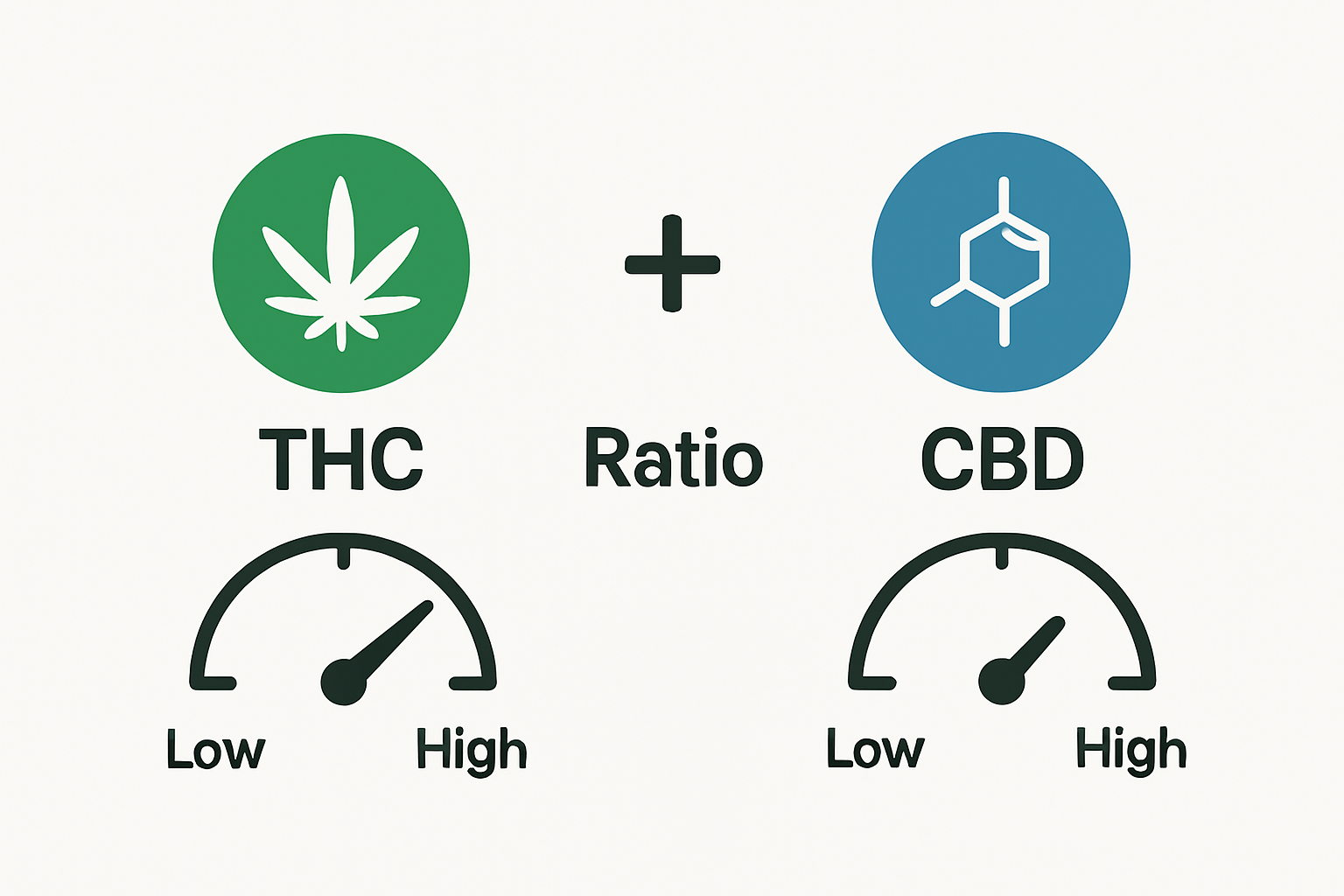
- Ratio of THC to CBD
Regulatory and Safety Information
Beyond potency, cannabis labels contain critical regulatory and safety elements that protect consumer health and ensure legal compliance. These sections typically include:
- Manufacturer information
- Batch and lot numbers
- Production and expiration dates
- Health and safety warnings
- Recommended serving sizes
- Legal compliance stamps
Strain and Product Specific Details
Product labels provide comprehensive information about the specific characteristics of cannabis products. This includes details about strain type, terpene composition, and potential effects. Terpene profiles are particularly important, as they contribute to the product’s unique flavor, aroma, and potential therapeutic properties.
Consumers should pay special attention to the strain classification (Indica, Sativa, or Hybrid), which offers insights into potential physiological and psychological effects. For deeper insights into quality indicators, understanding these label details becomes crucial for making informed purchasing decisions.
By treating cannabis labels as comprehensive informational guides, consumers can navigate product selections with greater confidence and understanding.
Understanding Potency and Effects of Cannabis Products
Cannabis products vary dramatically in their composition and potential impact, making potency understanding critical for responsible consumption. The complex interaction between cannabinoids, terpenes, and individual body chemistry determines the overall experience and therapeutic potential of cannabis products.
Cannabinoid Concentration and Its Implications
According to research published in the International Journal of Environmental Research and Public Health, cannabinoid concentration plays a pivotal role in determining product effects. THC and CBD percentages are the primary indicators of potential psychoactive and therapeutic experiences. These key compounds interact with the human endocannabinoid system in nuanced ways:
- THC: Primary psychoactive compound responsible for “high” sensations
- CBD: Non-psychoactive compound associated with potential therapeutic benefits
- Minor cannabinoids: Contribute to the “entourage effect”
- Cannabinoid ratios: Influence overall product experience
Terpene Profiles and Physiological Interactions
Beyond cannabinoid content, terpenes significantly contribute to a product’s effect profile. These aromatic compounds interact with cannabinoids to create unique physiological responses. Terpene composition can substantially modify the perceived intensity and character of cannabis experiences.
Different terpene combinations can produce varied effects ranging from relaxation to enhanced focus. Understanding these subtle interactions helps consumers select products aligned with their specific wellness or recreational objectives.
Individual Variability in Cannabis Response
No universal standard exists for cannabis effects due to significant individual variations in metabolism, tolerance, and physiological sensitivity.
This table outlines how various cannabinoids and terpenes influence the effects and experiences of cannabis products.
| Compound | Main Effect or Role | Psychoactive? | Notable Attribute |
|---|---|---|---|
| THC | Euphoria, altered perception | Yes | Responsible for “high” sensations |
| CBD | Calming, potential therapeutic relief | No | May reduce anxiety, inflammation, seizures |
| Minor Cannabinoids | Modulate overall effects (entourage effect) | Varies | Subtle influence on therapeutic outcomes |
| Terpenes | Aromatic profile, modulate effects | No | Creates distinct flavors and aromas |
| Cannabinoid Ratios | Balance between THC and CBD | Varies | Determines intensity and experience |
Our practical guide on assessing cannabis quality provides additional insights into navigating these complex interactions. Consumers should approach cannabis consumption with mindfulness, starting with low doses and gradually understanding their personal response patterns.
The Importance of Labels for Medical Cannabis Patients
Medical cannabis patients represent a unique consumer group with specialized needs and critical health considerations. Unlike recreational users, medical cannabis consumers rely on precise label information to manage specific health conditions, making accurate product documentation essential for safe and effective treatment.
Medical Condition-Specific Labeling Requirements
According to the American Medical Association, medical cannabis labels serve as vital communication tools for patients managing complex health conditions. Detailed product information becomes a lifeline for individuals seeking targeted therapeutic outcomes. Key medical labeling components include:
- Precise cannabinoid concentrations
- Recommended dosage for specific conditions
- Potential interactions with existing medications
- Specific strain characteristics relevant to medical treatment
- Potential side effect profiles
Therapeutic Targeting and Symptom Management
Medical cannabis labels provide critical insights into product suitability for specific health challenges. Different cannabinoid and terpene profiles can address various medical conditions, from chronic pain management to neurological disorder symptom reduction. Understanding these nuanced details allows patients to make informed decisions about their treatment strategies.
Patients managing conditions like multiple sclerosis, epilepsy, or chronic pain require comprehensive label information to select products that align with their unique physiological needs. Accurate labeling helps prevent potential adverse reactions and supports more personalized medical cannabis treatment approaches.
Safety and Compliance Considerations
For medical cannabis patients, labels represent more than informational documents they are critical safety mechanisms. Precise documentation helps patients navigate potential risks, understand proper consumption methods, and maintain compliance with medical recommendations.
Our comprehensive guide on medical cannabis dosage offers additional insights into interpreting these complex product specifications. By treating labels as comprehensive medical resources, patients can optimize their treatment strategies and enhance overall therapeutic outcomes.
How to Navigate Labels for Quality and Safety Assurance
Cannabis product labels are complex documents that require careful interpretation to ensure consumer safety and product quality. Understanding the nuanced details beyond surface-level information becomes crucial for making informed purchasing decisions and protecting personal health.
Decoding Regulatory Compliance Indicators
According to Americans for Safe Access, comprehensive label examination involves identifying key regulatory compliance markers. Quality assurance begins with recognizing official validation elements that demonstrate a product’s legitimacy and safety standards:
- State-issued compliance stamps
- Licensed manufacturer identification
- Track and trace serial numbers
- Official testing laboratory certifications
- Regulatory warning statements
Interpreting Laboratory Testing Results
Certificates of analysis represent the cornerstone of cannabis product safety verification. These documents provide scientific evidence of a product’s chemical composition, potential contaminants, and precise cannabinoid concentrations. Consumers should look for comprehensive testing that covers multiple quality parameters:
- Pesticide screening results
- Heavy metal contamination tests
- Microbiological analysis
- Residual solvent evaluations
- Accurate cannabinoid potency measurements
Critical Red Flags and Quality Indicators
Experienced consumers develop sophisticated skills for identifying potential product quality issues through careful label examination. Inconsistent or incomplete labeling can signal underlying manufacturing or safety concerns.
Our detailed guide on assessing cannabis quality provides additional strategies for discerning product reliability. By approaching labels as comprehensive informational tools, consumers can protect themselves and make more educated purchasing decisions that prioritize personal health and safety.

Shop with Confidence: Discover Clearly Labeled Cannabis at Canna Quick Shop
After learning how complex cannabis label reading can be, you might worry about missing key information or choosing the wrong product for your needs. The article highlighted how easily misunderstandings about THC and CBD percentages or regulatory labeling can lead to confusion, unwanted effects, or safety risks. At Canna Quick Shop, we understand you want clarity and safety every step of the way. Our curated cannabis selection is backed by transparent, easy-to-read product information, helping you make smart choices whether you are shopping for buds, edibles, or vapes. You can also browse relevant information to help you stay informed in our Uncategorized section.
Ready to shop with total confidence? Visit Canna Quick Shop now and explore products where quality standards and clear labeling come first. Make every purchase with peace of mind. Start your next order today and experience why our customers trust us for reliable delivery and premium cannabis products.
Frequently Asked Questions
What information should I look for on a cannabis label?
A cannabis label typically includes total THC and CBD percentages, strain type (Indica, Sativa, Hybrid), cannabinoid and terpene profiles, batch or lot numbers, production and packaging dates, and recommended serving sizes.
How do I interpret the potency of cannabis products?
Potency is usually indicated by the total THC and CBD percentages on the label. Higher THC levels suggest stronger psychoactive effects, while CBD levels provide insights into therapeutic benefits. Understanding these ratios can help you select products that match your needs.
Why are terpene profiles important on cannabis labels?
Terpene profiles affect the aroma, flavor, and potential therapeutic effects of cannabis products. Different terpenes can influence the overall experience, ranging from relaxation to enhanced focus, making it crucial to consider them when selecting products.
How can I ensure the safety of cannabis products based on labels?
To ensure product safety, look for compliance indicators such as state-issued compliance stamps, manufacturer information, batch numbers, and certificates of analysis that verify cannabinoid concentrations and test for contaminants such as pesticides and heavy metals.
Recommended
- Understanding Cannabis Product Labeling for Consumers – Canna Quick Shop
- How to Assess Cannabis Quality: A Practical Guide – Canna Quick Shop
- How to Compare Cannabis Products for Informed Choices – Canna Quick Shop
- Understanding Cannabis Packaging Regulations – Canna Quick Shop
