

Uncategorized
Understanding Cannabis Product Labeling for Consumers

Sep
Cannabis product labels are everywhere, packed with details about THC, CBD, and safe usage. Most people focus on flashy strain names but overlook the critical facts that actually protect their health. Cannabis actually contains over 540 chemicals and more than 100 unique cannabinoids, so the real story lives in the fine print—and knowing how to read it could make all the difference next time you shop.
Table of Contents
- What Is Cannabis Product Labeling And Why It Matters?
- Key Components Of Cannabis Product Labels Explained
- Understanding THC, CBD, And Other Cannabinoids On Labels
- The Role Of Regulatory Agencies In Cannabis Labeling
- How To Interpret Serving Sizes And Dosage Information
Quick Summary
| Takeaway | Explanation |
|---|---|
| Accurate labeling is crucial for safety. | Clear, accurate cannabis labels help consumers make informed decisions and minimize health risks associated with cannabis usage. |
| Understand cannabinoid content percentages. | Knowing THC and CBD percentages informs users about the potential effects and therapeutic benefits of the cannabis product. |
| Know serving sizes for responsible use. | Serving size information is essential for safe consumption, allowing users to tailor dosages based on individual tolerance and desired effects. |
| Regulatory agencies enforce labeling standards. | Federal and state regulations set guidelines that ensure consumers receive accurate product information and health warnings on labels. |
| Labels provide transparency about product origins. | Detailed product information helps consumers trace quality and safety aspects, such as cultivation dates and extraction methods. |
What is Cannabis Product Labeling and Why It Matters?
Cannabis product labeling represents a critical communication tool between manufacturers and consumers, providing essential information about the contents, potency, and safety of cannabis products. As the cannabis industry continues to evolve, understanding these labels becomes increasingly important for making informed purchasing decisions.
Defining Cannabis Product Labels
Cannabis product labels are official documentation attached to marijuana and hemp-derived products that communicate critical details about the item. According to research from the National Institutes of Health, these labels serve as a fundamental public health mechanism for protecting consumers and enabling informed decision making.
Typical cannabis product labels generally include:
- Total THC and CBD percentages
- Product weight and volume
- Batch or lot number
- Cultivation and processing date
- Recommended serving size
- Potential health warnings
Understanding the Importance of Accurate Labeling
Accurate cannabis product labeling serves multiple crucial functions beyond basic product information. These labels help consumers understand potential effects, dosage recommendations, and safety considerations. For medical marijuana patients, precise labeling can be especially critical in managing treatment protocols and understanding potential interactions.
Moreover, comprehensive labels protect consumers by providing transparency about product composition. Research from the University of California, San Francisco suggests that clear, informative labeling can significantly reduce potential health risks associated with cannabis consumption.
Learn more about ensuring product quality with our guide on cannabis quality assurance, which complements the importance of accurate product labeling.
Key Components of Cannabis Product Labels Explained
Cannabis product labels are complex documents packed with crucial information that help consumers make informed decisions about their purchases. Understanding these labels requires knowledge of specific components that reveal critical details about the product’s composition, potency, and safety.
Cannabinoid Content Breakdown
The most critical section of any cannabis product label is the cannabinoid content analysis. THC and CBD percentages provide essential information about the product’s potential effects and therapeutic properties. According to research published in PubMed, accurate cannabinoid content labeling is fundamental to consumer safety.
Key cannabinoid details typically include:
- Total THC percentage
- Total CBD percentage
- Ratio of THC to CBD
- Potential psychoactive effects
- Recommended dosage based on cannabinoid concentration
Comprehensive Product Information
Beyond cannabinoid content, labels provide a wealth of additional information that helps consumers understand the product’s origin, quality, and potential interactions. These details include batch numbers, cultivation dates, processing information, and potential allergen warnings.
Important product information usually encompasses:
- Batch or lot number for product traceability
- Cultivation and processing dates
- Strain information
- Extraction method
- Potential allergen warnings
- Recommended storage conditions
Learn more about ensuring product quality with our guide to cannabis quality standards, which provides deeper insights into product information and safety.
Understanding THC, CBD, and Other Cannabinoids on Labels
Cannabinoids are complex chemical compounds found in cannabis plants that interact with the human body’s endocannabinoid system, producing a range of potential effects and therapeutic benefits. Understanding these compounds is crucial for consumers seeking specific experiences or medical outcomes.
Primary Cannabinoids: THC and CBD
Tetrahydrocannabinol (THC) and Cannabidiol (CBD) represent the most prominent cannabinoids found on product labels. According to the National Center for Complementary and Integrative Health, cannabis contains approximately 540 chemical substances, with over 100 unique cannabinoids.
Key characteristics of primary cannabinoids include:
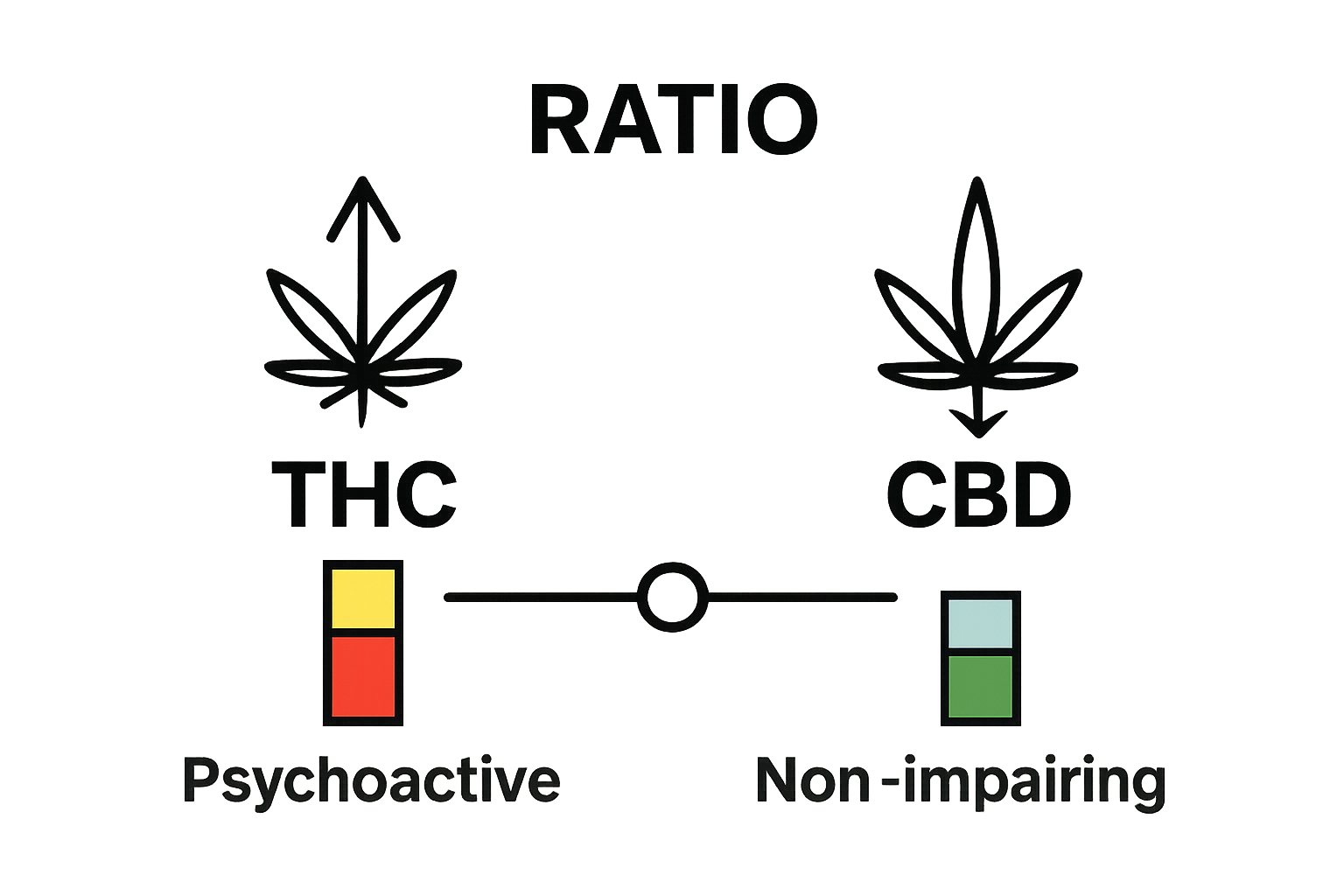
- THC produces psychoactive effects
- CBD is non impairing and does not cause a ‘high’
- Different ratios produce varied physiological responses
- Potential therapeutic applications vary by compound
- Individual tolerance levels impact user experience
The table below organizes the primary types of cannabinoids found in cannabis products, highlighting their main effects and potential therapeutic benefits.
| Cannabinoid | Psychoactive? | Main Effects | Noted Benefits |
|---|---|---|---|
| THC | Yes | Produces a ‘high’ or psychoactive effect | Pain relief, appetite stimulation, nausea reduction |
| CBD | No | Non-impairing, non-psychoactive | Anxiety reduction, anti-inflammatory, seizure management |
| CBN | Mild | Sedative, relaxing | Potential sleep aid |
| CBG | No | Non-psychoactive | Possible anti-inflammatory and neuroprotective properties |
| CBC | No | Non-psychoactive | Possible pain management |
| THCA | No | Non-psychoactive (precursor to THC) | Possible anti-inflammatory and neuroprotective traits |
Additional Cannabinoids and Their Potential Benefits
Beyond THC and CBD, cannabis contains numerous other cannabinoids that contribute to the plant’s complex chemical profile. These compounds interact differently with the human body, offering potential unique effects and therapeutic applications.
Less common cannabinoids consumers might encounter include:
- CBN (Cannabinol): Associated with sedative effects
- CBG (Cannabigerol): Potential anti inflammatory properties
- CBC (Cannabichromene): Potential pain management characteristics
- THCA (Tetrahydrocannabinolic acid): Non psychoactive precursor to THC
Learn more about the nuanced differences between cannabinoids in our comprehensive guide comparing CBD, CBN, CBG, and CBC, which provides deeper insights into these fascinating compounds.
The Role of Regulatory Agencies in Cannabis Labeling
Regulatory agencies play a critical role in establishing and enforcing standards for cannabis product labeling, ensuring consumer safety, transparency, and informed decision making. These agencies develop comprehensive guidelines that manufacturers must follow to protect public health and provide accurate product information.
Federal and State Level Oversight
Federal regulatory bodies like the Food and Drug Administration (FDA) and the Centers for Disease Control and Prevention (CDC) provide foundational guidelines for cannabis product labeling. According to research from the National Academies, these agencies are crucial in developing standardized health communication and research protocols for cannabis products.
Key regulatory oversight responsibilities include:
- Establishing minimum labeling requirements
- Monitoring product safety standards
- Tracking potential health risks
- Enforcing compliance with packaging regulations
- Conducting ongoing research on cannabis effects
Mandatory Label Requirements
Regulatory agencies mandate specific information that must be prominently displayed on cannabis product labels. These requirements are designed to provide consumers with essential details about product composition, potential effects, and safe consumption guidelines.
Compulsory label elements typically encompass:
This table summarizes the key mandatory components often required on cannabis product labels, helping consumers quickly understand and compare essential product information.
| Required Label Element | Purpose | Example/Details |
|---|---|---|
| THC Percentage | Communicates psychoactive potency | 20% THC |
| CBD Percentage | Indicates therapeutic/non-psychoactive content | 10% CBD |
| Health Warnings | Alerts users to potential health risks | “Keep out of reach of children” |
| Serving Size | Guides safe consumption amounts | 1 gummy = 10mg THC |
| Ingredient List | Displays product composition | Cannabis extract, coconut oil |
| Batch/Lot Number | Allows for product traceability | Batch #4321 |
| Production/Expiration Date | Signals product freshness and safety | Produced: 01/02/2024 |
| Manufacturer Contact Info | Provides traceability and recall info | [email protected] |
- Total THC and CBD percentages
- Potential health warnings
- Recommended serving sizes
- Ingredient list
- Batch or lot number for traceability
- Production and expiration dates
- Manufacturer contact information
Learn more about maintaining high product standards with our guide to cannabis quality assurance, which complements these regulatory guidelines.
How to Interpret Serving Sizes and Dosage Information
Understanding serving sizes and dosage information is crucial for safe and effective cannabis consumption. Product labels provide essential guidance to help consumers make informed decisions about their intake, taking into account individual tolerance, product potency, and desired effects.
Understanding Serving Size Fundamentals
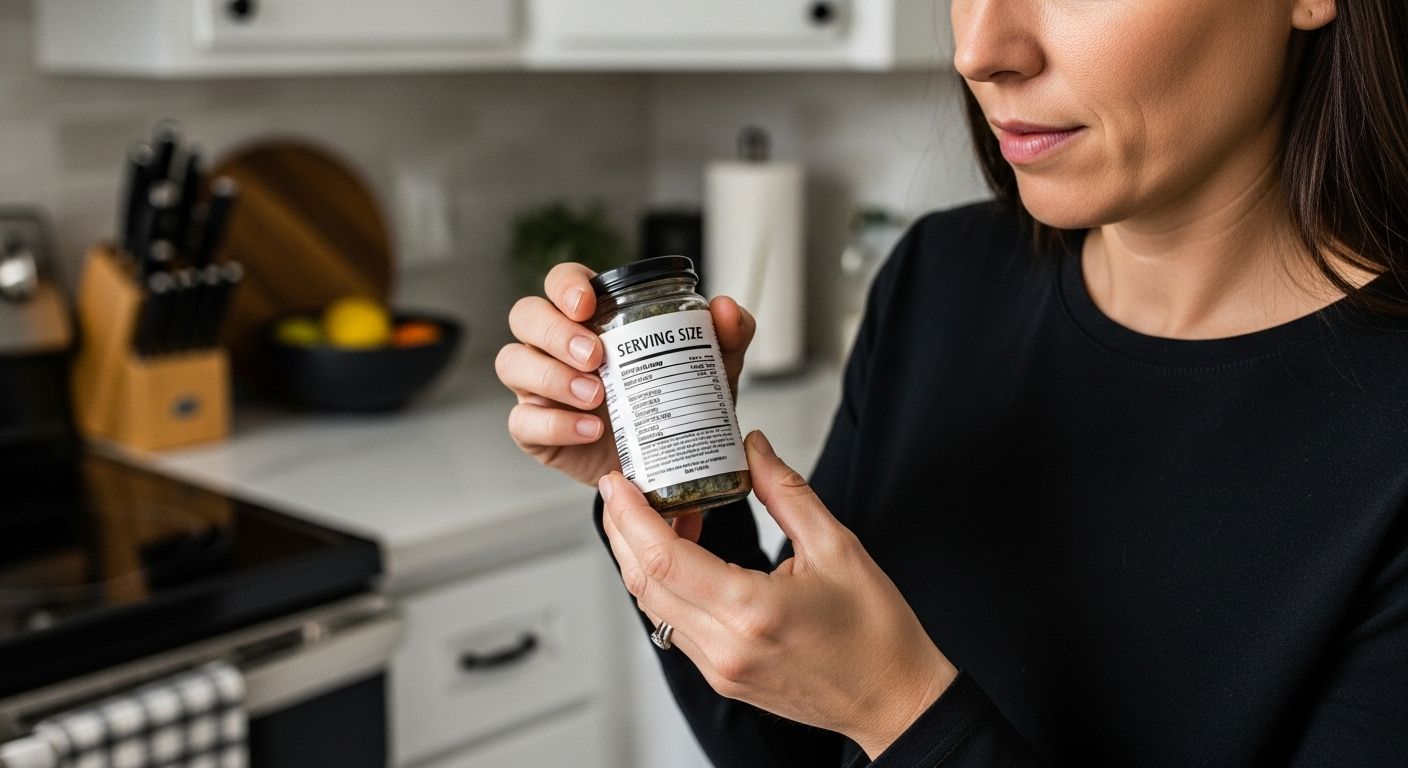
Serving size represents the recommended quantity of cannabis product for a single consumption event. According to research published in Addictive Behaviors, clear labeling of doses per package significantly improves consumers’ ability to determine appropriate servings.
Key factors influencing serving size determination include:
- Individual tolerance levels
- THC and CBD concentration
- Method of consumption
- Intended therapeutic or recreational outcome
- Personal body chemistry
Decoding Dosage Information on Labels
Cannabis product labels provide comprehensive dosage details that help consumers understand precise cannabinoid content and recommended consumption. Total cannabinoid concentration and per serving measurements are critical pieces of information for responsible use.
Important dosage information typically includes:
- Total milligrams of THC per package
- Milligrams of THC per serving
- Number of servings in the entire package
- Recommended initial dosage for new consumers
- Potential onset and duration of effects
Learn more about responsible cannabis consumption with our comprehensive guide to cannabis consumption methods, which provides additional insights into safe and effective usage.
Shop Confidently With Clear Cannabis Product Information
Confused by complicated cannabis product labels or worried about making the wrong purchase? You are not alone. Understanding THC and CBD levels, safety standards, and dosage recommendations can feel overwhelming. At Canna Quick Shop, we remove the guesswork. Our detailed product listings echo the transparency you learned about in this guide. Every product includes clear cannabinoid content, quality assurances, and safe handling guidance. Check our Uncategorized section for a variety of options tailored to both new and seasoned consumers.
Take control of your cannabis experience today. Trust our straightforward labels, consistent quality, and expert educational resources. Start exploring your options at Canna Quick Shop and make your next purchase with total confidence.
Frequently Asked Questions
What information is typically found on cannabis product labels?
Cannabis product labels usually include total THC and CBD percentages, product weight and volume, batch or lot number, cultivation and processing dates, recommended serving size, and potential health warnings.
Why is accurate cannabis product labeling important?
Accurate labeling helps consumers understand potential effects, dosage recommendations, and safety considerations. It also provides transparency about product composition, which is vital for making informed decisions, especially for medical marijuana patients.
How can consumers interpret serving sizes and dosage information on cannabis labels?
Serving sizes indicate the recommended quantity of a product for consumption. Dosage information typically includes total milligrams of THC per package and per serving, helping consumers gauge the appropriate amount based on potency and individual tolerance.
What are the primary cannabinoids listed on cannabis labels and their effects?
The primary cannabinoids listed are THC (produces psychoactive effects) and CBD (non-psychoactive). Different ratios of these cannabinoids can produce varying effects, and consumers often select products based on the desired therapeutic benefits.
Recommended
- Understanding Cannabis Quality Assurance Explained
- 7 Essential Signs of Quality in Cannabis
- Cannabis Consumption Step by Step
- Understanding Digital Dispensaries Explained for Consumers
