

Uncategorized
How to Assess Cannabis Quality: A Practical Guide
Sep
Picking top-shelf cannabis is a lot more complex than just eyeballing sticky buds. Most people think that bright colors or strong smells are enough to signal supreme quality. But chemical research shows something wild. Cannabis phenotypes can vary so much between strains that only detailed lab testing and terpene analysis give you the full story. This might make you rethink everything you thought you knew about finding the best flower.
Table of Contents
- Step 1: Research The Strain Characteristics
- Step 2: Inspect The Visual Appearance
- Step 3: Evaluate Aroma And Terpene Profile
- Step 4: Assess Potency And Cannabinoids
- Step 5: Verify Third-Party Lab Testing
- Step 6: Compare Prices And Reviews
Quick Summary
| Key Point | Explanation |
|---|---|
| 1. Research strain genetics and profile | Understand the lineage and cannabinoid composition to evaluate potency and therapeutic effects for better quality assessment. |
| 2. Conduct visual inspections carefully | Look for vibrant colors and dense trichomes, ensuring buds are well-trimmed and free from discoloration or mold. |
| 3. Assess aroma and terpenes thoroughly | Evaluate rich, complex scents to determine potential effects; avoid musty or stale odors indicating poor quality. |
| 4. Verify third-party lab testing | Ensure lab reports cover potency, purity, and contamination, confirming the product’s safety and quality. |
| 5. Compare prices and consumer reviews | Balance cost against quality indicators and detailed user experiences to make informed purchasing decisions. |
Step 1: Research the Strain Characteristics
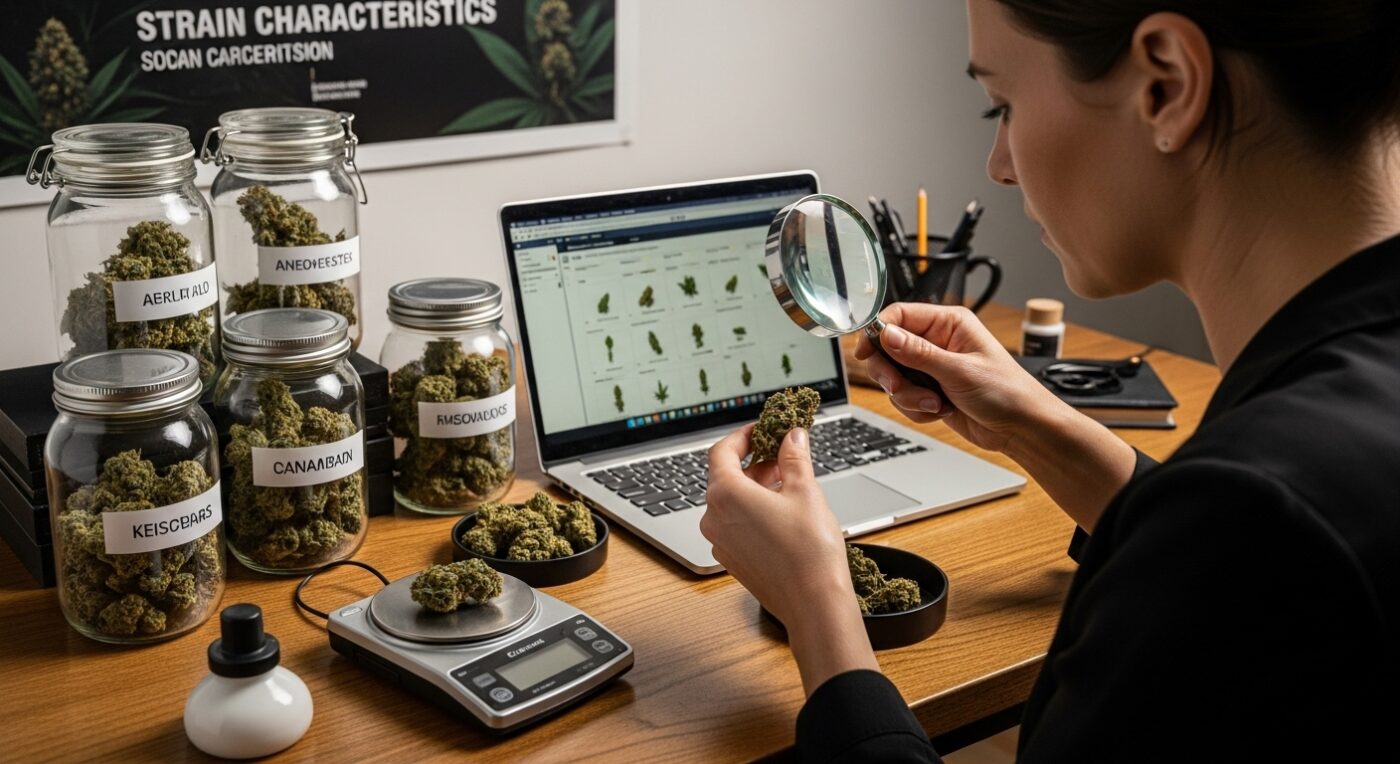
Understanding the unique characteristics of cannabis strains is the critical first step in assessing overall quality. Different strains possess distinct chemical profiles that determine their potency, effects, and therapeutic potential. Your goal in this initial phase is to gather comprehensive information about the specific strain’s genetic background, cannabinoid composition, and potential characteristics.
Begin by investigating the strain’s lineage and genetic heritage. Indica, sativa, and hybrid strains each offer different experiences and medical benefits. Pure indica strains typically provide relaxing, sedative effects, while sativa strains tend to be more energizing and cerebral. Hybrid strains blend characteristics from both genetic backgrounds, offering nuanced experiences tailored to specific consumer preferences.
Utilize reputable online databases and scientific resources to explore detailed cannabinoid and terpene profiles. Check out our comprehensive guide on cannabis quality signs to understand the key markers of exceptional cannabis. Cannabinoid ratios like THC and CBD percentages dramatically influence the strain’s potential therapeutic and recreational effects. For medical users, understanding these ratios becomes particularly important when seeking specific health outcomes.
Researchers have demonstrated that microscopic analysis and chemical testing provide the most accurate strain assessment. According to research analyzing Cannabis samples across multiple U.S. states, chemical phenotypes vary significantly between strains, making detailed chemical profiling essential for true quality evaluation.
As you research, pay close attention to reported effects, potential medical applications, and user experiences. Look for consistent descriptions across multiple sources to validate the strain’s typical characteristics. Experienced consumers and medical professionals often provide valuable insights into a strain’s nuanced effects and potential benefits.
Successful strain research involves cross referencing multiple credible sources, maintaining a critical and analytical approach. Your goal is not just to collect information, but to develop a comprehensive understanding that will guide your subsequent quality assessment steps.
Step 2: Inspect the Visual Appearance
Visual inspection serves as a critical preliminary assessment of cannabis quality, providing immediate insights into the product’s overall health, cultivation standards, and potential potency. A trained eye can quickly discern significant details about the cannabis before even touching or consuming the product.
Color and Trichome Density represent the most crucial visual indicators of cannabis quality. Premium cannabis typically displays a rich, vibrant color palette ranging from deep forest greens to occasional purple or blue hues. Look for a dense coating of crystalline trichomes, which appear like tiny white or silvery frost-like structures covering the buds. These microscopic structures contain the majority of the plant’s cannabinoids and terpenes, so their abundance signals potential potency.
Learn more about identifying premium cannabis characteristics to enhance your visual assessment skills. Examine the buds under good lighting conditions, preferably natural daylight or bright white light that allows you to see intricate details. Avoid fluorescent or overly yellow lighting that might distort color perception.
According to comprehensive research analyzing Cannabis samples across multiple U.S. states, visual characteristics provide substantial insights into a strain’s potential chemical composition. Healthy, high-quality cannabis should appear well-trimmed, with minimal stem and leaf material.
The buds should feel dense and compact when gently squeezed, indicating proper curing and moisture content.
Watch for warning signs during visual inspection. Discolored buds with brown or yellowish patches might indicate poor handling, improper curing, or potential mold contamination. Avoid cannabis with visible mildew, dark spots, or an overly dry, crumbly texture. These characteristics suggest degraded quality and potential health risks.
Here is a quick comparison of common visual warning signs when inspecting cannabis and what they potentially indicate.
| Visual Warning Sign | Possible Cause | Quality Implication |
|---|---|---|
| Brown or yellowish patches | Poor handling or improper curing | May indicate degraded quality |
| Visible mildew or dark spots | Mold contamination | Potential health risk |
| Overly dry, crumbly texture | Excessive drying or age | Loss of potency and flavor |
| Minimal trichomes | Poor cultivation or genetics | Lower cannabinoid/terpene content |
| Excess leaf/stem material | Inadequate trimming | Lower overall quality |
Successful visual assessment requires patience and careful observation. Take your time examining each bud from multiple angles, rotating and inspecting under consistent lighting. Your goal is to develop a comprehensive understanding of the cannabis’s physical characteristics before proceeding to subsequent quality evaluation steps.
Step 3: Evaluate Aroma and Terpene Profile
The aroma and terpene profile of cannabis provides a complex sensory experience that goes far beyond simple smell. These aromatic compounds offer critical insights into the strain’s potential effects, quality, and overall therapeutic potential. Terpenes are molecular storytellers, communicating the unique characteristics of each cannabis variety through their distinctive scent signatures.
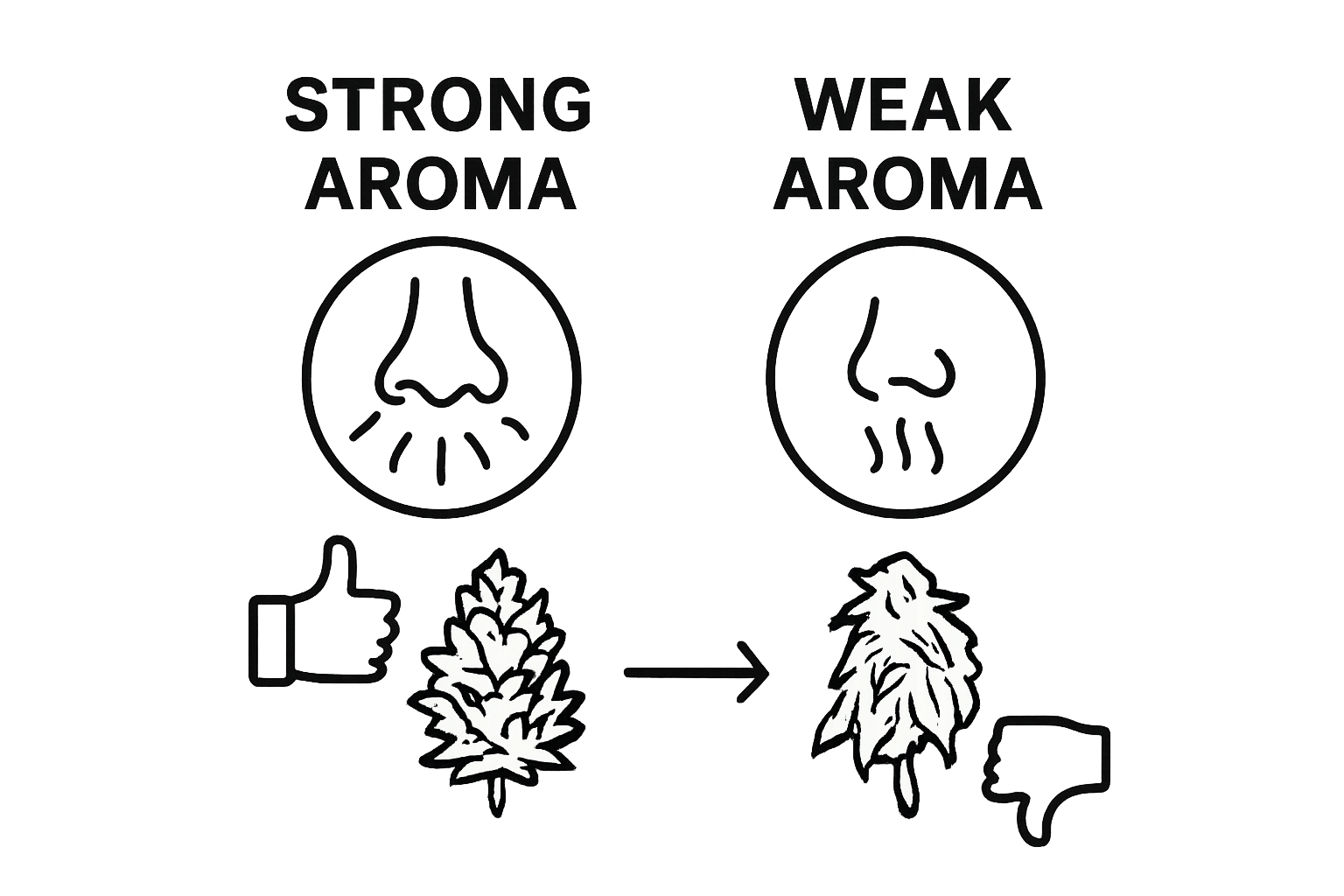
When assessing cannabis aroma, begin by gently breaking or crushing a small portion of the bud to release its volatile compounds. Premium cannabis will have a rich, multi-layered fragrance that instantly engages your olfactory senses. Different scent profiles suggest varied effects: citrusy aromas often indicate energetic sativa strains, while earthy or musky scents typically suggest more relaxing indica varieties. Check out our comprehensive guide on cannabis consumption techniques to better understand how terpene profiles influence user experience.
According to research analyzing Cannabis sativa L. sensory profiles, the plant’s volatile compounds create a complex aromatic landscape. Look for clean, distinct scents without any musty, hay-like, or overly moldy undertones. Fresh, vibrant cannabis should smell crisp and intense, with notes that might remind you of pine, citrus, berry, or diesel depending on the specific strain.
Experienced consumers develop a nuanced approach to terpene evaluation. Some key aromatic indicators include pinene (pine-like smell), suggesting potential alertness and memory retention benefits; myrcene (musky, earthy scent), which might indicate relaxation potential; and limonene (citrus fragrance), potentially associated with mood elevation. Each terpene contributes unique therapeutic and experiential qualities.
Warning signs during aroma assessment include any hint of mustiness, ammonia-like odors, or a stale, dusty smell. These characteristics could indicate improper curing, potential mold contamination, or significant degradation. A high-quality cannabis sample should have a clean, pronounced aroma that feels fresh and vibrant, inviting further sensory exploration without any off-putting or suspicious scents.
Step 4: Assess Potency and Cannabinoids
Assessing cannabinoid potency represents the most technical and crucial phase of cannabis quality evaluation. Cannabinoid content determines the product’s therapeutic potential, psychoactive effects, and overall user experience. Understanding the intricate balance between THC, CBD, and other cannabinoids provides critical insights into the strain’s unique characteristics.
Begin by carefully examining the product’s laboratory testing documentation. Legitimate cannabis products will include detailed cannabinoid percentage breakdowns, revealing precise concentrations of primary compounds. THC percentages typically range between 10% and 30%, with medical or recreational strains sometimes exceeding these ranges. CBD content varies significantly, offering different therapeutic applications depending on its concentration.
Learn more about interpreting cannabis product labels to enhance your potency assessment skills. Look for comprehensive lab reports that detail not just THC and CBD percentages, but also minor cannabinoids like CBG, CBC, and CBN. These compounds contribute to the entourage effect, where multiple cannabinoids work synergistically to produce enhanced therapeutic outcomes.
According to research published in medical journals, cannabis potency is quantified through sophisticated analytical techniques like gas chromatography and liquid chromatography. While consumers cannot replicate these laboratory methods, understanding their principles helps develop a more discerning approach to product selection.
Pay close attention to the ratio between THC and CBD. High-THC strains produce more pronounced psychoactive effects, while balanced or CBD-dominant strains offer potentially more therapeutic benefits with reduced intoxication. Medical users often seek specific cannabinoid profiles targeting particular health conditions, making precise potency assessment paramount.
Warning signs during potency evaluation include inconsistent or missing laboratory documentation, unusually extreme cannabinoid percentages, or reports lacking comprehensive testing details. Reputable cannabis providers will transparently share full chemical profiles, empowering consumers to make informed decisions about their cannabis consumption.
Step 5: Verify Third-Party Lab Testing
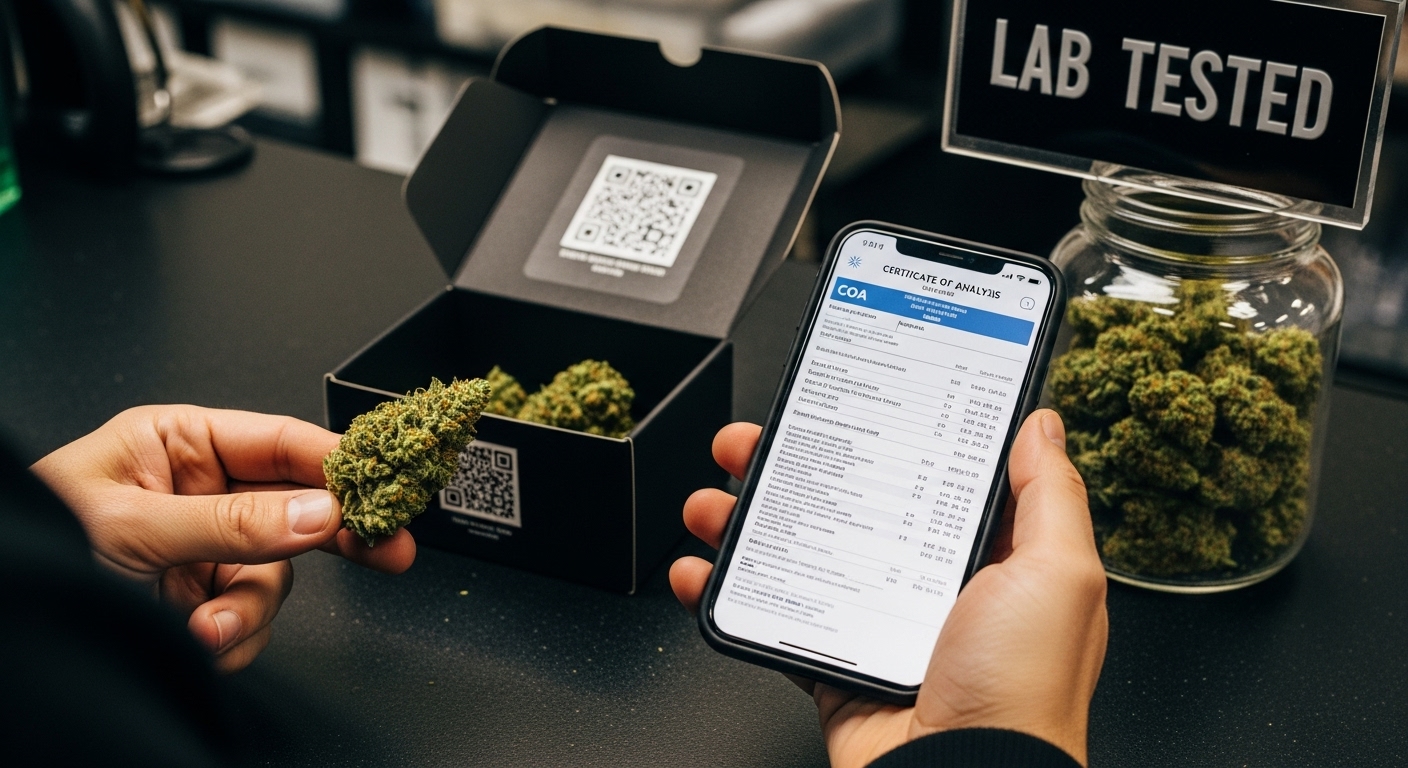
Third-party lab testing represents the ultimate validation of cannabis quality, providing an independent and scientifically rigorous assessment of product safety and composition. Comprehensive lab testing is your most reliable guarantee against potential health risks and product misrepresentation. This step transforms your subjective evaluation into an objective, data-driven analysis.
When examining lab reports, focus on key testing categories that ensure product integrity. Legitimate lab certificates should comprehensively cover multiple assessment areas, including cannabinoid potency, terpene profile, pesticide screening, heavy metal contamination, and microbiological testing. Explore our detailed guide on cannabis quality assurance to develop a deeper understanding of what constitutes a thorough laboratory analysis.
According to research from the American Association for Laboratory Accreditation, accredited laboratories follow strict ISO/IEC 17025 standards, which guarantee consistent and reliable testing methodologies. Look for lab reports that include the testing facility’s accreditation number, date of analysis, and detailed breakdown of detected compounds. Reputable labs will provide clear, easy-to-read certificates that display precise measurements and potential contaminant levels.
Critical red flags during lab report evaluation include missing accreditation information, incomplete testing categories, or reports from unknown laboratories. Legitimate lab certificates should include the full name of the testing facility, its state license number, and contact information. Pay special attention to pesticide and heavy metal sections, as these directly impact consumer health.
Verification involves more than simply glancing at a document. Cross-reference the lab report’s batch number with the product packaging, confirm the testing date is recent (ideally within the past 6 months), and ensure all major testing categories are comprehensively addressed. A high-quality cannabis product will have transparent, detailed documentation that demonstrates the manufacturer’s commitment to consumer safety and product excellence.
Use this checklist to systematically verify essential elements in a cannabis lab report before making a purchase decision.
| Verification Step | What to Look For | Why It Matters |
|---|---|---|
| Lab accreditation number | Presence of ISO/IEC 17025 or state license | Proves legitimacy of results |
| Date of analysis | Recent testing (within 6 months) | Ensures sample reflects current product |
| Cannabinoid profile | THC, CBD, and minor cannabinoid breakdown | Confirms potency and spectrum |
| Terpene profile | Detailed scent compound analysis | Informs user experience |
| Pesticide and contaminant screening | Clear “pass” or levels listed | Protects against harmful residues |
| Batch number matches packaging | Consistency between product and report | Prevents mislabeling or mix-ups |
| Full lab contact information | Name, address, and phone/email | Enables verification if needed |
Step 6: Compare Prices and Reviews
Comparing prices and reviews is the final strategic step in ensuring you secure high-quality cannabis at a fair market value. Pricing should never be the sole determining factor, but understanding market rates provides crucial context for evaluating product worth. Smart consumers balance cost considerations with quality indicators discovered in previous assessment steps.
Authentic consumer reviews offer unparalleled insights into real-world product experiences. Look beyond star ratings to read detailed narratives describing effects, consistency, and overall satisfaction. Verified purchaser reviews carry significantly more weight than generic testimonials. Discover more about safe cannabis purchasing strategies to refine your selection process.
According to comprehensive research analyzing cannabis market pricing, average cannabis prices fluctuate based on potency, strain rarity, and regional market dynamics. Expect to pay approximately $10-$15 per gram for premium flower, with pricing variations reflecting THC content, cultivation methods, and brand reputation. Medical-grade and craft cannabis strains typically command higher prices due to specialized growing techniques and rigorous quality control.
When comparing prices, consider these critical factors beyond the immediate cost. Evaluate the cost per milligram of THC or CBD, which provides a more accurate value assessment than simple per-gram pricing. High-quality cannabis might initially seem more expensive, but superior potency and effects can offer better overall value. Look for dispensaries or retailers offering transparent pricing structures that include detailed cannabinoid percentages.
Warning signs during price and review comparison include suspiciously low prices, overwhelmingly negative reviews with consistent complaint patterns, or reviews that seem artificially generated. Legitimate cannabis providers will have a mix of constructive feedback, demonstrating transparency and commitment to continuous improvement. Your goal is to find a balance between reasonable pricing and consistently positive consumer experiences, ensuring you invest in a product that meets your specific needs and quality expectations.
Elevate Your Cannabis Purchasing Experience—Make Every Choice Count
After learning how to research strain characteristics, visually inspect buds, and verify third-party testing, you may still feel overwhelmed by the challenge of finding truly high-quality cannabis online. It is hard to trust what you see on a screen when your goals include safety, transparency, and premium effects. The risk of mislabeled products or inconsistent lab results is real.
Canna Quick Shop solves these pain points every step of the way. You do not need to sacrifice quality for convenience. Explore Uncategorized – Canna Quick Shop to browse real product listings, each with detailed lab information, customer feedback, and full cannabinoid profiles.
You deserve access to fast, verified, and insured cannabis delivery anywhere in the United States. Visit Canna Quick Shop right now for transparent purchasing, secure ordering, and the guidance you need to shop with confidence. Ready to put your new assessment skills into practice? Shop today and experience the difference of a trusted cannabis source.
Frequently Asked Questions
How can I identify high-quality cannabis?
To identify high-quality cannabis, start by researching the strain’s characteristics, including its genetic background and cannabinoid composition. Visually inspect the product for vibrant colors and trichome density, evaluate its aroma and terpene profile, and assess cannabinoid potency through lab testing. Lastly, verify third-party lab results for safety and composition.
What are the key indicators of cannabis potency?
The key indicators of cannabis potency include the percentages of THC and CBD detailed in laboratory test reports. A higher THC percentage typically indicates more pronounced psychoactive effects, while CBD may offer therapeutic benefits with reduced intoxication. Look for comprehensive lab reports that provide insights into both primary and minor cannabinoids.
Why is third-party lab testing important for cannabis products?
Third-party lab testing is essential because it provides an independent and objective assessment of cannabis quality. It ensures that the product is safe for consumption, accurately labeled, and free from harmful contaminants. Always check for detailed lab reports covering cannabinoid profiles, pesticide screenings, and heavy metal testing.
How do terpenes influence the experience of cannabis users?
Terpenes are aromatic compounds in cannabis that contribute to its unique scent and flavor profiles and can influence therapeutic effects. Different terpenes are associated with varying benefits; for example, limonene may elevate mood while myrcene can promote relaxation. Understanding terpenes helps users choose strains that align with their desired effects.
Recommended
- 7 Essential Signs of Quality in Cannabis – Canna Quick Shop
- Understanding Cannabis Quality Assurance Explained – Canna Quick Shop
- Cannabis Consumption Step by Step: Your Ultimate Guide – Canna Quick Shop
- Understanding Cannabis Product Labeling for Consumers – Canna Quick Shop
