

Uncategorized
How to Compare Cannabis Products for Informed Choices
Sep
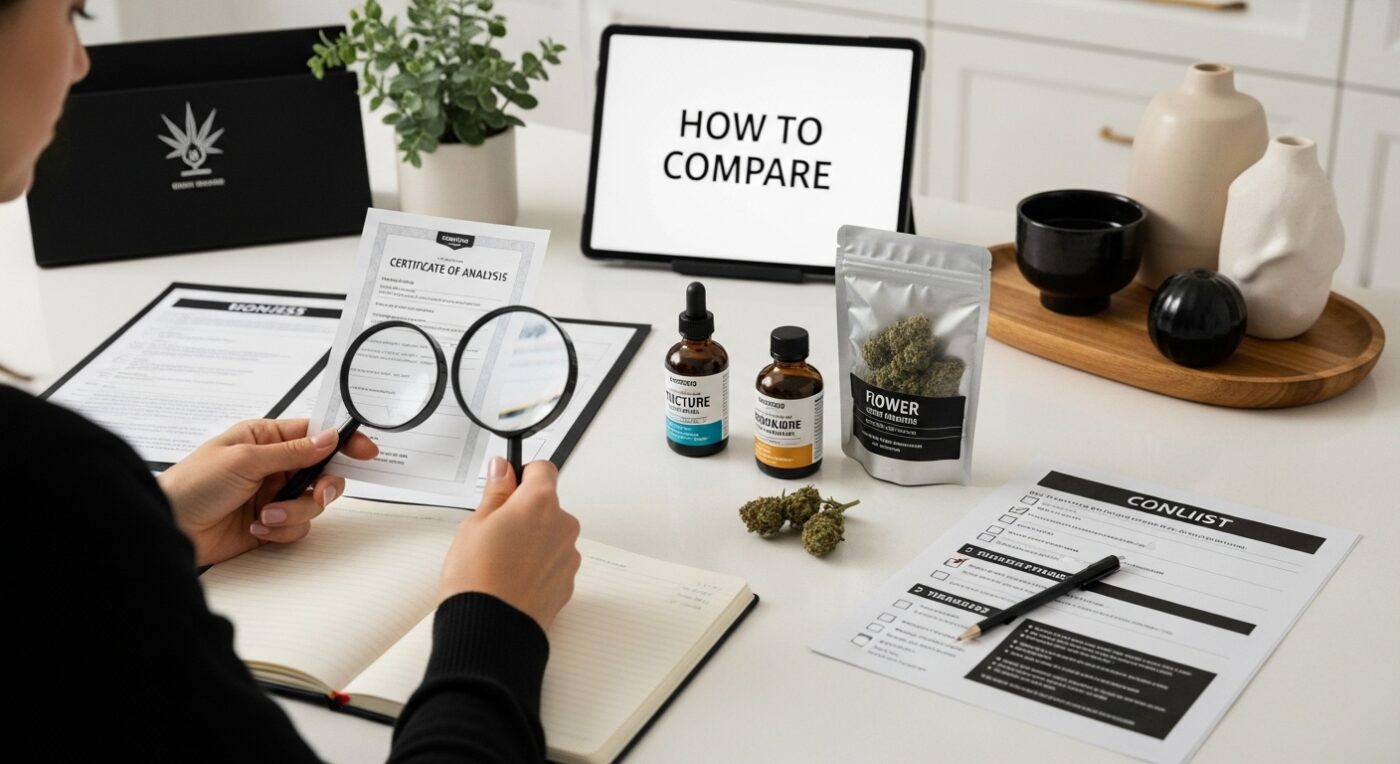
Choosing the right cannabis product can feel like trying to solve a puzzle with too many pieces. Some stores carry hundreds of unique strains, and the potency difference between two products can be as much as 20 times. Most people guess based on names or packaging. What really sets apart a smart purchase is knowing how to decode everything from lab reports to user reviews. The surprising part? The smallest details, like the ratio of THC to CBD, often have the biggest impact on your experience.
Table of Contents
- Step 1: Identify Your Preferences And Needs
- Step 2: Research Strain Characteristics And Effects
- Step 3: Evaluate Product Quality And Lab Testing
- Step 4: Compare Prices And Purchase Options
- Step 5: Read Customer Reviews And Ratings
- Step 6: Make Your Informed Purchase Decision
Quick Summary
| Key Point | Explanation |
|---|---|
| 1. Identify personal preferences and needs | Reflect on your goals, whether for medical relief or recreation, to guide product selection. |
| 2. Research strain characteristics thoroughly | Examine different strains and their effects using multiple reliable sources for informed choices. |
| 3. Evaluate product quality via lab testing | Always check the Certificate of Analysis for cannabinoid content and contaminant safety information. |
| 4. Compare prices strategically | Analyze overall value by calculating price per active cannabinoid, not just per gram. |
| 5. Read and analyze customer reviews | Use diverse sources of feedback to gain insights into product experiences and align them with your needs. |
Step 1: Identify Your Preferences and Needs
Before diving into the complex world of cannabis products, understanding your personal preferences and needs is crucial for making informed choices. This initial step serves as the foundation for selecting cannabis products that align perfectly with your desired experience and wellness goals.
Begin by conducting an honest self-assessment of your cannabis consumption objectives. Are you seeking relief from specific medical symptoms like chronic pain, anxiety, or sleep disorders? Or are you interested in recreational experiences that offer relaxation or mild euphoria? Your motivation will significantly influence the types of products and strains most suitable for you.
Consider your tolerance and experience level carefully. First-time users or individuals with limited cannabis experience should start with low-potency products and minimal THC concentrations. More experienced consumers might prefer higher THC strains or concentrated products. Understanding your physiological response to cannabis is key to selecting appropriate options.
Physical consumption preferences also play a critical role in product selection. Some individuals prefer discreet methods like edibles or tinctures, while others might enjoy traditional smoking or vaping experiences. Each consumption method offers unique onset times, duration of effects, and overall experience. Reflect on your comfort level with different ingestion techniques and any potential health considerations that might impact your choice.
Here is a concise comparison table summarizing popular cannabis consumption methods, highlighting their onset, duration, discreteness, and typical use cases to help match the right method to your needs.
| Method | Onset Time | Duration | Discreetness | Typical Use Case |
|---|---|---|---|---|
| Smoking | 1-5 min | 1-3 hours | Low | Fast-acting relief |
| Vaping | 1-5 min | 1-3 hours | Medium | Health-conscious, quick effect |
| Edibles | 30-90 min | 4-8 hours | High | Long-lasting, discreet use |
| Tinctures | 15-45 min | 2-6 hours | High | Precise dosing, no inhalation |
| Topicals | Varies | 1-5 hours | High | Localized relief |
Cannabis products vary widely in their chemical composition, particularly in THC and CBD ratios. Medical patients often seek balanced or CBD-dominant products for therapeutic benefits with minimal psychoactive effects. Recreational users might prioritize THC content for more pronounced euphoric experiences. Research from the National Cancer Institute emphasizes the importance of understanding these compositional differences when selecting cannabis products.
Additionally, consider practical factors like budget, accessibility, and legal restrictions in your region. Some high-quality cannabis products can be expensive, so establishing a realistic budget helps narrow your options. Local dispensary regulations and personal legal status will also influence your available choices.
By methodically evaluating these personal factors, you create a comprehensive profile that guides your cannabis product selection.
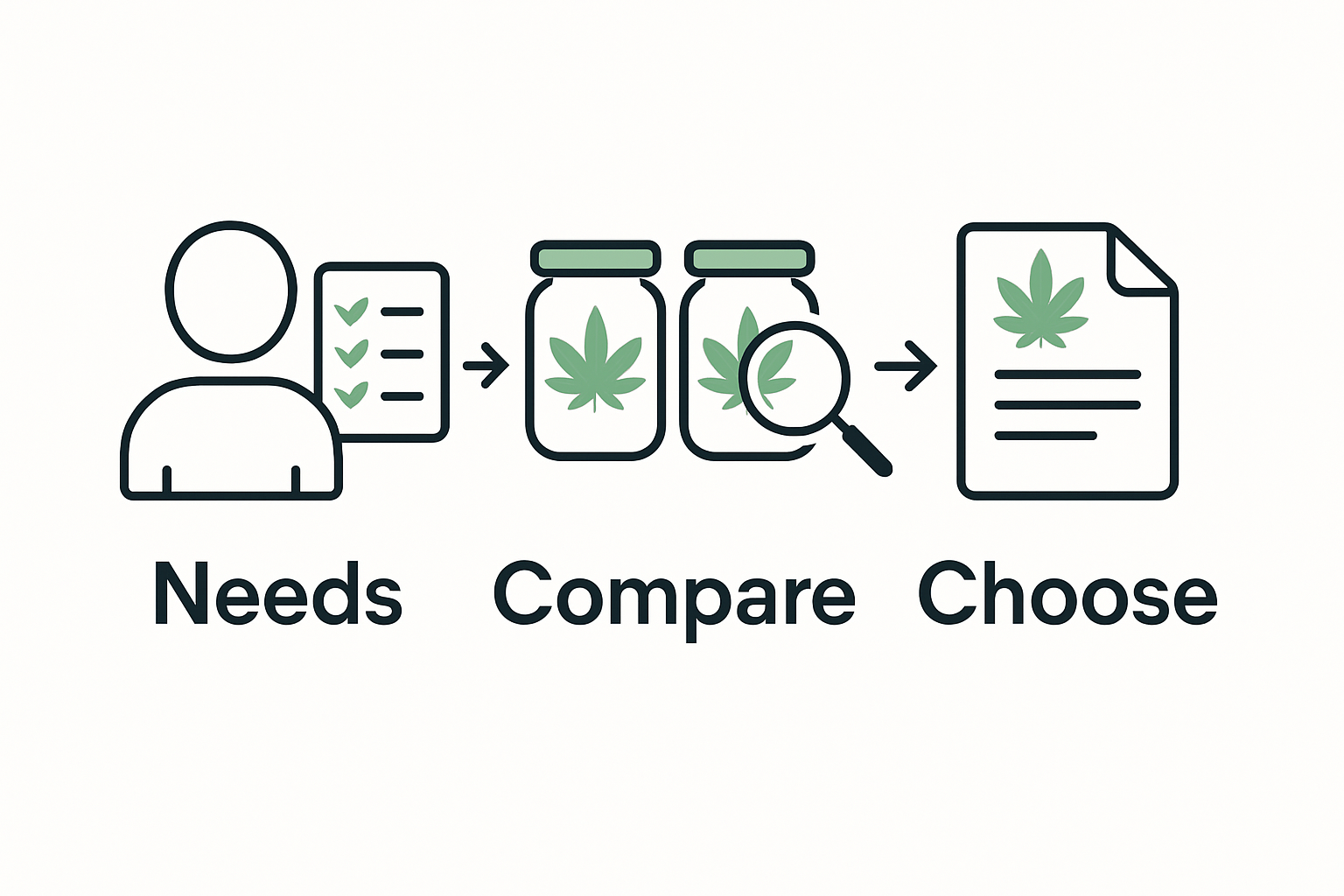 This thoughtful approach ensures you choose products that not only meet your immediate needs but also provide a safe, enjoyable experience tailored to your unique preferences.
Step 2: Research Strain Characteristics and Effects
Understanding the nuanced world of cannabis strains requires a strategic approach to researching their unique characteristics and potential effects. This critical step involves deep exploration beyond surface-level classifications to comprehend how different cannabis varieties might interact with your individual physiology and wellness goals.
Cannabis strain research demands a multifaceted examination of botanical traits, chemical composition, and reported user experiences. Traditional strain categories like indica, sativa, and hybrid provide initial orientation, but modern scientific understanding suggests these classifications are far more complex than previously assumed. Research from medical cannabis studies indicates that users perceive distinct effects between strain types, with indica often associated with relaxation and sativa linked to energetic experiences.
Develop a systematic approach to strain investigation by consulting multiple reputable sources. Professional cannabis dispensary databases, scientific publications, and user review platforms offer comprehensive insights into strain profiles. Pay special attention to cannabinoid and terpene compositions, which significantly influence a product’s potential therapeutic or recreational outcomes. THC and CBD percentages provide crucial information about psychoactive potential and potential medicinal benefits.
Consider documenting your strain research through a personal tracking system. Create a reference guide that captures key details like strain name, primary effects, potential medical applications, and your personal reactions. This methodical documentation helps refine future product selections and develops a personalized understanding of how different cannabis varieties interact with your body.
Online cannabis communities and professional forums can provide valuable anecdotal experiences, but approach these resources critically. User reports vary widely, and individual responses to cannabis are highly personal. Cross-reference multiple sources to develop a balanced perspective. For those interested in more comprehensive cannabis consumption strategies, read our guide on cannabis consumption methods.
Remember that strain research is an ongoing process. Cannabis science continuously evolves, with new cultivars and research challenging previous assumptions. Maintain curiosity, remain open to emerging information, and understand that your ideal cannabis product might require patient exploration and personal experimentation.
Step 3: Evaluate Product Quality and Lab Testing
Product quality assessment represents a crucial checkpoint in responsible cannabis product selection, transforming your purchasing process from guesswork to informed decision making. Lab testing provides the gold standard for understanding a product’s true composition and safety profile, offering transparent insights into its chemical makeup and potential risks.
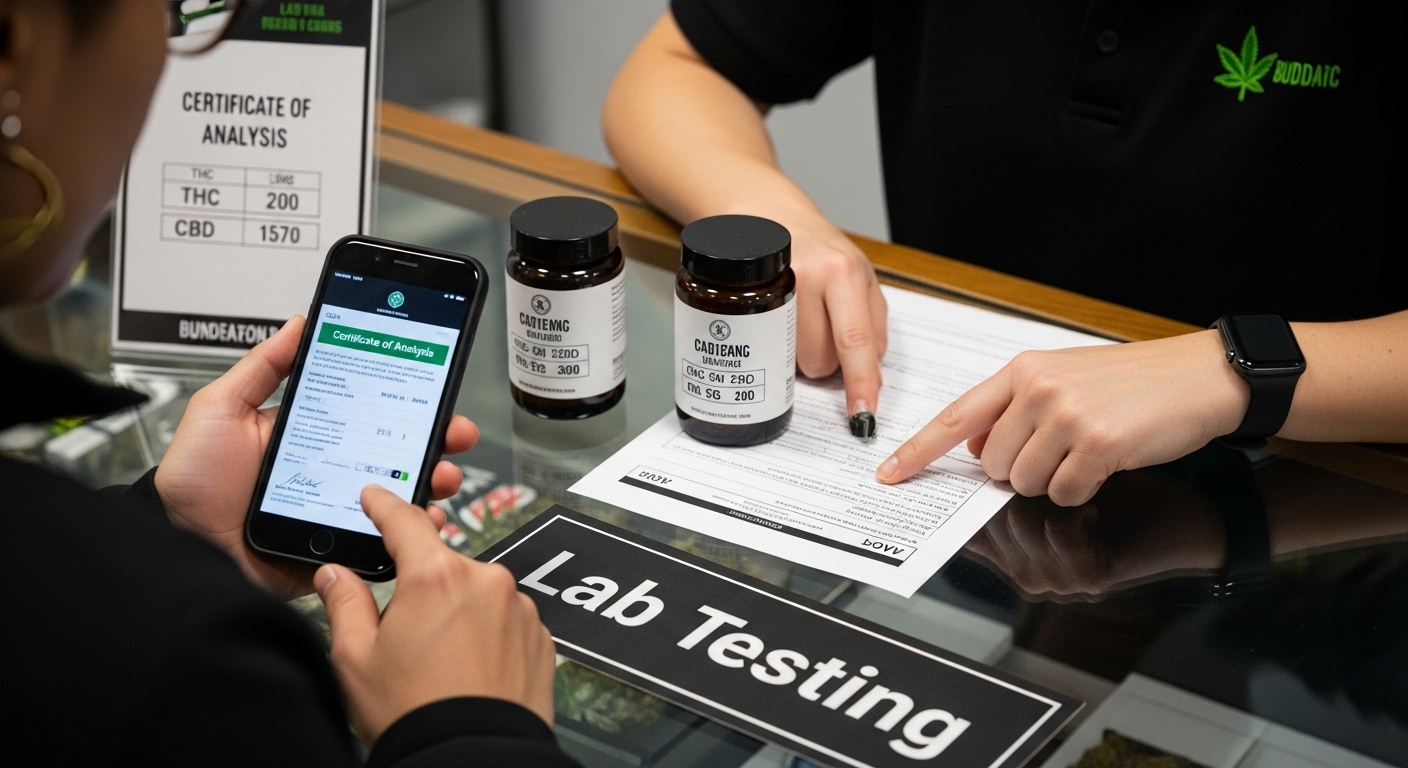
Start by requesting and carefully examining the Certificate of Analysis (COA) for any cannabis product you are considering.
This document serves as a comprehensive scientific report detailing the product’s cannabinoid concentrations, terpene profiles, and screening results for potential contaminants like pesticides, heavy metals, and microbial organisms. Professional testing laboratories follow strict quality assurance protocols to ensure accurate and reliable results.
Key elements to scrutinize on a COA include THC and CBD percentages, terpene composition, and contaminant screening results. Look for products with clear, recent lab documentation from accredited third-party testing facilities. These independent laboratories provide unbiased analysis that goes beyond manufacturer claims, giving consumers a transparent view of product characteristics.
Research from regulatory cannabis authorities emphasizes the critical nature of comprehensive testing. Contaminant screening protects consumers from potentially harmful substances that could be present during cultivation or processing. Pay special attention to pesticide residue levels, microbial contamination indicators, and heavy metal concentrations.
Develop a systematic approach to evaluating lab reports. Create a personal checklist that includes verifying the testing laboratory’s accreditation, checking the testing date for recency, and comparing cannabinoid percentages against your personal tolerance and desired effects. Some consumers find it helpful to maintain a digital or physical folder tracking COAs from different products, enabling comparative analysis over time.
Be aware that lab testing standards can vary between jurisdictions. Some regions have more rigorous testing requirements than others. Prioritize products from manufacturers who voluntarily undergo comprehensive testing and transparently share their results. This proactive approach demonstrates a commitment to consumer safety and product quality beyond minimal regulatory requirements.
Ultimately, a thorough lab testing evaluation protects your health, ensures product reliability, and empowers you to make cannabis selections aligned with your wellness goals. Treat the Certificate of Analysis as your roadmap to understanding exactly what you are consuming.
This checklist helps you verify important items on a cannabis product lab report (Certificate of Analysis) so you can confidently assess safety and quality before making a purchase.
| Lab Report Item | What to Check | Why It Matters |
|---|---|---|
| THC Percentage | Matches your desired potency | Ensures the effects meet your needs |
| CBD Percentage | Balanced/high CBD if desired | Supports medical use or less psychoactivity |
| Terpene Profile | Clear terpene content listed | Influences flavor and potential effects |
| Pesticide Screening | No unsafe residue levels | Prevents harmful exposure |
| Heavy Metals Testing | Meets safety limits | Protects against health risks |
| Microbial Contaminants | Passes contamination checks | Ensures product safety |
| Testing Date | Recent (within 6-12 months) | Confirms product is up-to-date |
| Accredited Lab Source | Third-party, licensed laboratory | Guarantees unbiased, professional results |
Step 4: Compare Prices and Purchase Options
Navigating the cannabis marketplace requires a strategic approach to comparing prices and understanding diverse purchasing options. Developing a comprehensive pricing strategy ensures you maximize value while maintaining quality and meeting your specific consumption needs.
Begin by establishing a realistic budget that accounts for both your financial constraints and desired product quality. Research from cannabis market analyses suggests that pricing structures can significantly influence purchasing decisions, particularly with potency-based taxation models. Consider not just the upfront cost, but the overall value proposition of each product.
Expand your price comparison beyond simple per-gram calculations. Evaluate the total cannabinoid content, product potency, and expected duration of effects alongside the price point. A slightly more expensive product might offer superior quality, longer-lasting effects, or more precise dosing capabilities that ultimately provide better overall value. Professional cannabis consumers often recommend calculating the price per milligram of active cannabinoids rather than relying solely on total product cost.
Utilize digital tools and dispensary comparison platforms to streamline your research. Many online resources aggregate pricing information from multiple retailers, allowing you to quickly identify competitive options. Create a spreadsheet or digital tracking system to document prices, product specifications, and your personal assessment of value. This systematic approach transforms price comparison from a tedious task into a methodical decision-making process.
Consider the full spectrum of purchasing options beyond traditional retail. Online platforms, medical dispensaries, and recreational stores each offer unique advantages. Some providers offer loyalty programs, bulk purchase discounts, or first-time customer promotions that can significantly reduce overall costs. Membership programs and volume discounts can provide substantial savings for regular consumers.
Remember that the lowest price does not always equate to the best value. Prioritize reputable sources that provide comprehensive lab testing, transparent sourcing information, and consistent product quality. A slightly higher price from a trusted provider often represents a more reliable and safer investment compared to the cheapest available option.
Your final price comparison should balance multiple factors: product quality, cannabinoid profile, potential effects, laboratory testing results, and overall cost. By approaching cannabis purchases with a strategic, informed mindset, you transform price comparison from a simple monetary calculation into a nuanced evaluation of product value.
Step 5: Read Customer Reviews and Ratings
Customer reviews represent a critical information source that bridges the gap between product specifications and real-world experiences. Navigating the landscape of user feedback requires a discerning and strategic approach to extract meaningful insights that complement your previous research and product evaluation efforts.
Research examining online product reviews reveals the complex nature of consumer testimonials, highlighting the importance of developing a nuanced interpretation strategy. Begin by identifying multiple review platforms, including dispensary websites, independent cannabis forums, and verified consumer feedback sections. Diversifying your review sources helps mitigate potential bias and provides a more comprehensive understanding of product performance.
Develop a systematic approach to reviewing customer feedback by creating a mental framework for evaluating review credibility. Look for detailed, specific comments that describe actual experiences rather than vague or overly enthusiastic statements. Pay close attention to reviews that discuss the product’s effects, consistency, flavor profile, and potential medical benefits. Verified purchaser reviews typically carry more weight and provide more reliable information compared to anonymous or unverified testimonials.
Consider the overall rating distribution as much as individual comments. A product with consistently positive reviews across multiple platforms suggests reliable quality and performance. Be cautious of products with extreme polarization extreme negative or positive ratings without substantive explanation. Look for patterns in user experiences that align with your personal preferences and wellness goals.
Cross-reference user experiences with the lab testing results and product specifications you previously examined. Detailed reviews can provide insights into how theoretical product characteristics translate into actual consumption experiences. Pay special attention to comments regarding onset time, duration of effects, potential side effects, and overall user satisfaction.
Remember that individual cannabis experiences can vary significantly due to personal physiology, tolerance levels, and consumption methods. Approach reviews as supplemental information rather than definitive guidance. Use them to identify potential risks, understand nuanced product characteristics, and refine your selection process.
Ultimately, customer reviews serve as a valuable tool in your cannabis product comparison journey. By applying a critical and systematic approach to interpreting user feedback, you transform potentially overwhelming information into actionable insights that support more informed purchasing decisions.
Step 6: Make Your Informed Purchase Decision
The final step in your cannabis product selection journey transforms all your previous research into a confident, well-considered purchase. Making an informed decision requires synthesizing the comprehensive information you have gathered throughout your evaluation process, balancing scientific data, personal preferences, and practical considerations.
Research examining cannabis product quality frameworks emphasizes the importance of holistic decision making. Review your collected data systematically, creating a mental checklist that encompasses strain characteristics, lab testing results, pricing comparisons, and user reviews. This methodical approach helps neutralize emotional impulses and ensures your selection aligns with your original wellness or recreational objectives.
Prioritize products that consistently demonstrate high-quality markers across multiple evaluation dimensions. A superior cannabis product should excel in laboratory testing, offer competitive pricing, receive positive user feedback, and match your specific consumption preferences. Do not compromise on critical quality indicators like contaminant screening or cannabinoid consistency, even if a product appears attractively priced.
Consider your purchasing logistics carefully. Evaluate the reliability of your selected dispensary or delivery platform. Learn about safe cannabis delivery methods to ensure a smooth, secure transaction. Some consumers prefer in-person purchases for immediate product verification, while others appreciate the convenience of online ordering with discreet shipping.
Develop a personal documentation system to track your cannabis product experiences. Create a simple journal or digital note tracking the specific product details, your consumption method, effects experienced, and overall satisfaction. This personal record becomes an invaluable resource for future purchasing decisions, helping you refine your selection criteria over time.
Remember that your first purchase is part of an ongoing learning process. Cannabis product selection is not a one-time event but a continuous journey of personal discovery. Remain open to adjusting your approach, exploring new products, and adapting your selection criteria as you gain more experience and understanding.
Ultimately, an informed purchase decision represents the culmination of careful research, critical thinking, and personal reflection. By approaching your cannabis product selection with diligence and thoughtfulness, you transform a potentially overwhelming choice into a confident, personalized experience.
Make Confident Cannabis Choices with Canna Quick Shop
Finding clarity among hundreds of cannabis products can be overwhelming. If you have ever questioned whether a product is lab tested, if the strain matches your needs, or if the price is worth the value, you are not alone. The article you just read explains how to compare cannabis products and spot true quality, but putting those steps into practice should not be a struggle. Canna Quick Shop bridges that gap by offering a platform where rigorous lab testing, detailed listings, verified customer reviews, and clear pricing empower you to make choices rooted in trust. Explore everything from buds to edibles and concentrates, always knowing your safety and satisfaction come first.
Ready to apply what you have learned? Start by browsing the Uncategorized selection for a variety of cannabis products, or visit Canna Quick Shop to experience stress-free shopping with full transparency. Each listing provides essential info for smart comparisons, and your purchase includes quick, insured delivery. Take control of your cannabis experience today and see how simple, informed decisions lead to the best results.
Frequently Asked Questions
What factors should I consider when choosing cannabis products?
You should evaluate your preferences and needs, including consumption goals (medical vs. recreational), tolerance level, preferred consumption method (edibles, tinctures, smoking), and budget.
How do I research cannabis strain effects and characteristics?
Start by examining traditional strain categories—indica, sativa, and hybrid—and focus on their cannabinoid and terpene profiles. Use reputable sources such as dispensary databases and scientific publications for detailed information.
Why is lab testing important for cannabis products?
Lab testing ensures product safety and quality by providing a Certificate of Analysis (COA), which reveals cannabinoid concentrations, terpene profiles, and contaminants. This transparency allows consumers to make informed choices based on accurate product information.
How can customer reviews help me in selecting cannabis products?
Customer reviews offer real-world insights into product performance and user experiences. They’re valuable for understanding potential effects, side effects, and overall satisfaction, helping you refine your decision-making process.
Recommended
- Understanding Cannabis Product Labeling for Consumers – Canna Quick Shop
- 7 Essential Signs of Quality in Cannabis – Canna Quick Shop
- Live Resin Terpenes Mac 1 | 5ml – Canna Quick Shop
- Cannabis Consumption Step by Step: Your Ultimate Guide – Canna Quick Shop
