

Uncategorized
Understanding Cannabis Compliance Explained for Consumers
Sep
Cannabis compliance sounds like a mountain of paperwork and red tape for anyone involved in the business. Yet more than $2.8 billion in fines and penalties have hit the industry since 2018 for breaking these rules or ignoring them altogether. Most people think it is just about legal headaches, but it is actually the backbone that keeps unsafe products and shady operations out of your hands.
Table of Contents
- What Is Cannabis Compliance And Why It Matters
- Key Regulations Surrounding Cannabis In The U.S.
- How Cannabis Compliance Ensures Safe Products
- The Role Of Testing And Labeling In Compliance
- Understanding Penalties And Consequences Of Non-Compliance
Quick Summary
| Takeaway | Explanation |
|---|---|
| Compliance Ensures Product Safety | Compliance regulations enforce safety standards to protect consumer health from harmful products. |
| Regulatory Frameworks Vary by State | States have unique cannabis regulations, which consumers must understand to ensure legality. |
| Testing and Labeling Are Crucial | Rigorous testing and accurate labeling provide transparency, helping consumers make informed decisions. |
| Non-Compliance Has Serious Consequences | Violating cannabis regulations can result in heavy fines and legal penalties for businesses and individuals. |
| Consumer Trust is Built on Compliance | Transparency through compliance fosters trust between consumers and the cannabis industry, promoting a responsible market. |
What is Cannabis Compliance and Why It Matters
Cannabis compliance represents a complex legal and regulatory framework designed to ensure safety, quality, and responsible distribution of cannabis products across medical and recreational markets. At its core, compliance encompasses a comprehensive set of rules, standards, and protocols that govern every aspect of cannabis production, sale, and consumption.
Understanding Cannabis Regulatory Frameworks
Comprehensive cannabis compliance involves multiple interconnected components that protect both consumers and businesses. These regulations address critical areas such as product testing, packaging requirements, potency limits, tracking systems, and sales restrictions. Research from the International Journal of Environmental Research and Public Health indicates that effective compliance frameworks aim to minimize potential health risks while creating transparent market operations.
Key elements of cannabis compliance typically include:
- Product Safety Standards: Ensuring cannabis products are free from harmful contaminants
- Age Verification Protocols: Preventing sales to individuals under legal age limits
- Precise Labeling Requirements: Providing clear information about product contents and potential effects
Why Compliance Matters for Consumers
For consumers, cannabis compliance represents more than bureaucratic oversight. It guarantees product quality, prevents potential health risks, and ensures transparent market practices. Rigorous compliance measures protect consumers from untested products, misleading marketing, and potential contamination.
Compliance regulations create a structured environment where consumers can confidently purchase cannabis products, knowing they have been thoroughly vetted through multiple regulatory checkpoints. These standards establish trust between producers, distributors, and end-users, transforming the cannabis market from an unregulated space to a professional, accountable industry.
By embracing comprehensive compliance standards, the cannabis industry demonstrates its commitment to responsible consumption, public health, and sustainable market development.
Key Regulations Surrounding Cannabis in the U.S.
Cannabis regulations in the United States represent a complex and evolving legal landscape characterized by significant variations between federal and state laws. This intricate regulatory environment creates unique challenges for consumers, businesses, and legal professionals navigating the cannabis market.
Federal vs State Legal Frameworks
The National Conference of State Legislatures highlights the critical distinction between federal prohibition and state-level legalization. While cannabis remains illegal at the federal level under the Controlled Substances Act, numerous states have implemented their own regulatory frameworks for medical and recreational cannabis use.
Key regulatory characteristics include:
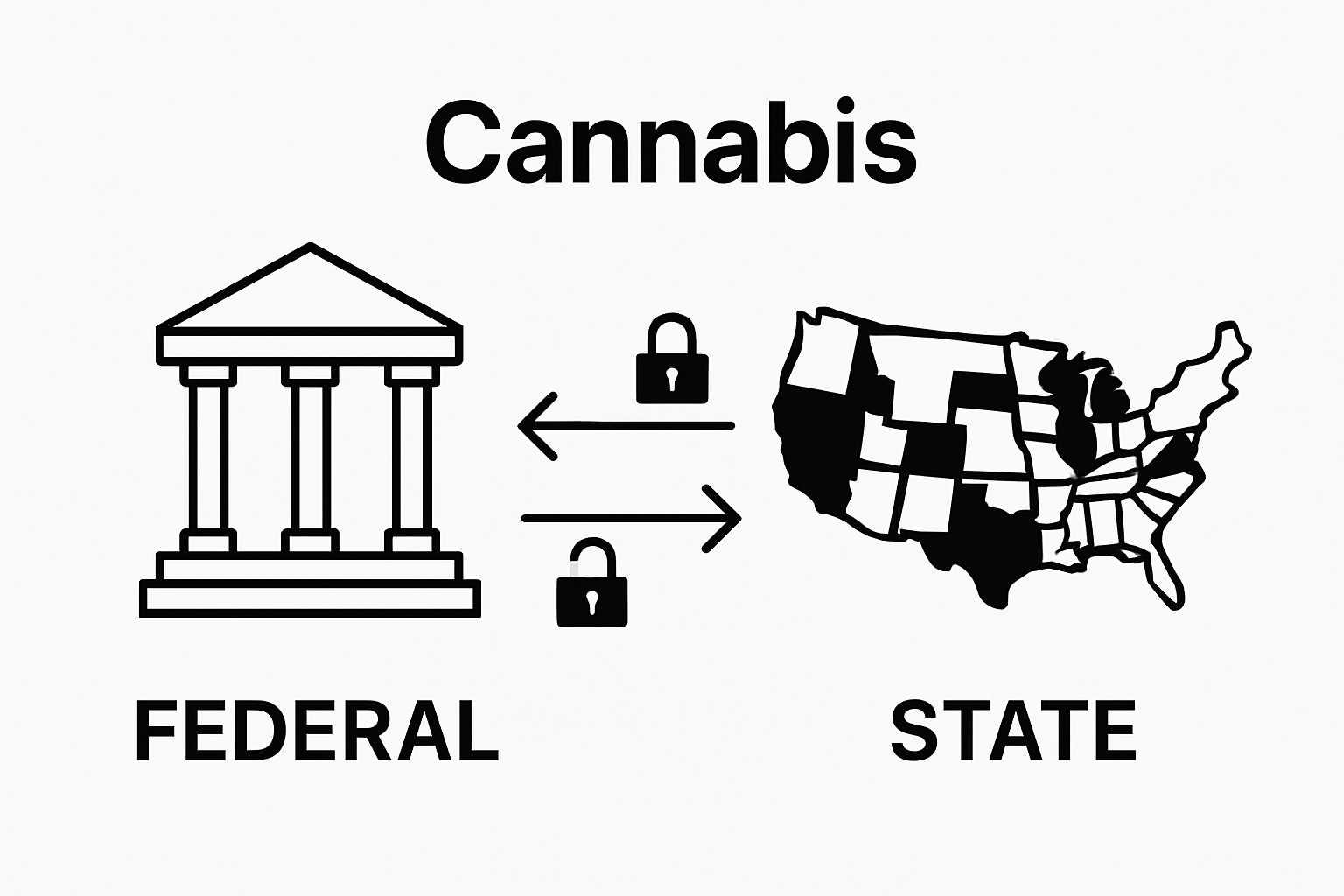
- Federal Classification: Cannabis remains a Schedule I controlled substance
- State Autonomy: Individual states can establish independent cannabis regulations
- Legal Complexity: Potential conflicts between state and federal law
Medical and Recreational Cannabis Regulations
Regulatory approaches differ substantially between medical and recreational cannabis markets. Medical cannabis programs typically involve more stringent qualification requirements, including:
- Specific qualifying medical conditions
- Physician certification processes
- Restricted product types and consumption methods
- Limited possession and cultivation allowances
Recreational cannabis regulations focus more on age restrictions, public consumption limitations, and standardized product safety protocols. Each state develops unique frameworks that address local community needs and public health considerations.
Understanding these nuanced regulations is crucial for responsible cannabis consumption. Consumers must remain aware of their specific state’s legal landscape, recognizing that compliance requires careful navigation of sometimes conflicting legal standards.
To clarify the differences between federal and state cannabis regulations, the table below summarizes their key characteristics and implications for consumers.
| Framework | Legal Status | Regulatory Authority | Implications for Consumers |
|---|---|---|---|
| Federal | Cannabis is illegal | Controlled by federal agencies | Cannabis products are federally prohibited, even if legal by state law. |
| State (Legal) | Cannabis is legal (varies) | Managed by individual states | Regulations differ by state; consumers must follow local laws. |
| State (Prohibited) | Cannabis remains illegal | Managed by individual states | Purchase, possession, and use are prohibited; legal risks remain. |
| The ongoing evolution of cannabis laws demands continuous education and awareness from all stakeholders in the cannabis ecosystem. |
How Cannabis Compliance Ensures Safe Products
Cannabis compliance represents a critical mechanism for protecting consumer health through systematic quality control and safety verification processes. These comprehensive regulations establish rigorous standards that address potential risks associated with cannabis product manufacturing, distribution, and consumption.
Quality Control and Testing Protocols
The U.S. Food and Drug Administration emphasizes the importance of stringent testing protocols to ensure product safety. Compliance requirements mandate extensive laboratory analysis that examines multiple aspects of cannabis products, including:
- Potency Verification: Accurately measuring THC and CBD concentrations
- Contaminant Screening: Detecting pesticides, heavy metals, and microbial impurities
- Consistency Validation: Ensuring uniform product quality across production batches
Comprehensive Safety Mechanisms
Compliance regulations create multiple layers of protection for consumers. These mechanisms go beyond simple testing, incorporating comprehensive tracking systems that monitor cannabis products from cultivation through final sale. This approach allows regulators to quickly identify and address potential quality issues.
Key safety components include precise labeling requirements, strict packaging standards, and mandatory warning information. These protocols provide consumers with transparent, accurate information about product contents, potential effects, and recommended usage guidelines.
By implementing these extensive safety frameworks, the cannabis industry demonstrates a commitment to responsible product development. Consumers can feel confident that compliant cannabis products undergo multiple verification stages designed to minimize health risks and ensure a safe, reliable experience.
 The ongoing evolution of these standards continues to enhance consumer protection and industry accountability.
The Role of Testing and Labeling in Compliance
Testing and labeling form the cornerstone of cannabis product safety and regulatory compliance. These critical processes provide transparency, protect consumer health, and establish a framework for responsible cannabis product distribution.
Comprehensive Product Testing Standards
The Minnesota Office of Cannabis Management highlights the crucial role of rigorous testing protocols in ensuring product safety. Compliance testing involves multiple sophisticated analytical procedures designed to verify product quality and safety across several essential dimensions:
- Chemical Composition Analysis: Precise measurement of cannabinoid profiles
- Contaminant Screening: Detecting potential harmful substances
- Potency Verification: Confirming accurate THC and CBD concentrations
Labeling Requirements and Consumer Protection
Labeling represents more than a regulatory requirement. It serves as a direct communication channel between producers and consumers, providing critical information about product contents, potential effects, and safe usage guidelines. Comprehensive labeling includes detailed information such as:
- Exact cannabinoid percentages
- Batch and production dates
- Potential allergen warnings
- Recommended dosage instructions
These comprehensive labeling standards ensure consumers can make informed decisions about cannabis product consumption.
By mandating transparent, accurate product information, regulatory bodies help mitigate potential health risks and promote responsible usage.
The intersection of thorough testing and precise labeling creates a robust compliance ecosystem. This approach not only protects consumers but also establishes credibility for the cannabis industry, demonstrating a commitment to safety, transparency, and responsible product development.
Understanding Penalties and Consequences of Non-Compliance
Cannabis non-compliance represents a serious legal and financial risk for businesses and individuals operating within the regulated cannabis market. The consequences of failing to adhere to established regulatory standards can be severe, encompassing both administrative penalties and potential criminal prosecution.
Business and Operational Penalties
Businesses that violate cannabis regulatory requirements face a range of potential sanctions designed to ensure industry accountability. These penalties are structured to discourage systematic non-compliance and protect consumer safety. Potential consequences include:
- License Suspension: Temporary or permanent revocation of cannabis business operating licenses
- Significant Financial Fines: Monetary penalties that can range from thousands to hundreds of thousands of dollars
- Operational Restrictions: Limitations on future business activities and market participation
Individual Legal Consequences
Individual cannabis industry professionals and consumers can also face substantial legal ramifications for non-compliance. These may include criminal charges, substantial monetary penalties, and long-term professional consequences. Violations can result in:
- Personal criminal records
- Loss of professional certifications
- Restricted future employment opportunities in the cannabis sector
- Potential federal prosecution in cases of significant regulatory breaches
The complex legal landscape surrounding cannabis compliance demands meticulous attention to detail and a comprehensive understanding of both state and federal regulations.
The following table organizes the core penalties and consequences of non-compliance for both businesses and individuals within the cannabis industry.
| Type | Penalty/Consequence | Description |
|---|---|---|
| Business | License Suspension | Temporary or permanent loss of ability to operate legally |
| Business | Financial Fines | Monetary penalties ranging from thousands to hundreds of thousands |
| Business | Operational Restrictions | Limitations on future business activities and market participation |
| Individual | Criminal Records | Personal criminal conviction, affecting future opportunities |
| Individual | Loss of Professional Certifications | Revocation of licenses/certifications related to cannabis |
| Individual | Employment Restrictions | Limited access to work in the cannabis sector |
| Individual | Potential Federal Prosecution | Legal action for significant regulatory breaches |
| Businesses and individuals must remain vigilant, continuously updating their knowledge and practices to align with evolving regulatory standards. Proactive compliance is not just a legal requirement but a fundamental strategy for sustainable success in the cannabis industry. |
Discover Safe, Compliant Cannabis Shopping with Canna Quick Shop
Worried about the risks of buying cannabis online and unsure which products meet strict compliance standards? As explained in the article, protecting your health means looking for reliability in quality control, accurate labeling, and adherence to state regulations. Many consumers feel overwhelmed when trying to identify sources that take cannabis compliance as seriously as they do.
With Canna Quick Shop, you can shop confidently knowing we prioritize every aspect of compliance, from certified product testing to transparent labeling and secure, insured delivery. Check out our detailed product listings with up-to-date safety information to find your ideal products without the guesswork. Take action now and visit our website to browse premium options, educate yourself on responsible consumption, and enjoy a seamless, trustworthy shopping experience. Choose your peace of mind today.
Frequently Asked Questions
What is cannabis compliance?
Cannabis compliance refers to the legal and regulatory framework ensuring the safety, quality, and responsible distribution of cannabis products in medical and recreational markets. It encompasses rules and protocols governing every aspect of cannabis production, sale, and consumption.
Why is cannabis compliance important for consumers?
Cannabis compliance guarantees product quality and safety, protects consumers from health risks, and promotes transparency in the market. It ensures that cannabis products undergo rigorous testing and follow specific regulations, allowing consumers to make informed decisions.
What are the key elements of cannabis compliance?
Key elements include product safety standards, age verification protocols, precise labeling requirements, and implementation of tracking systems throughout the supply chain. These components work together to protect consumer health and ensure market accountability.
How does product testing contribute to cannabis compliance?
Product testing is crucial for verifying the safety and quality of cannabis products. Compliance testing includes assessing the potency of THC and CBD, screening for contaminants, and validating consistency across production batches, thus ensuring that consumers receive safe and reliable products.
Recommended
- fryd disposable flavors – Canna Quick Shop
- Fryd Disposable Gummy Punch at discount – Canna Quick Shop
- Fryd Disposable Gummy Punch ready to shi[ – Canna Quick Shop
- Fryd Disposable Gummy Punch near me – Canna Quick Shop
