

Uncategorized
Understanding Why Lab-Tested Cannabis Matters
Sep
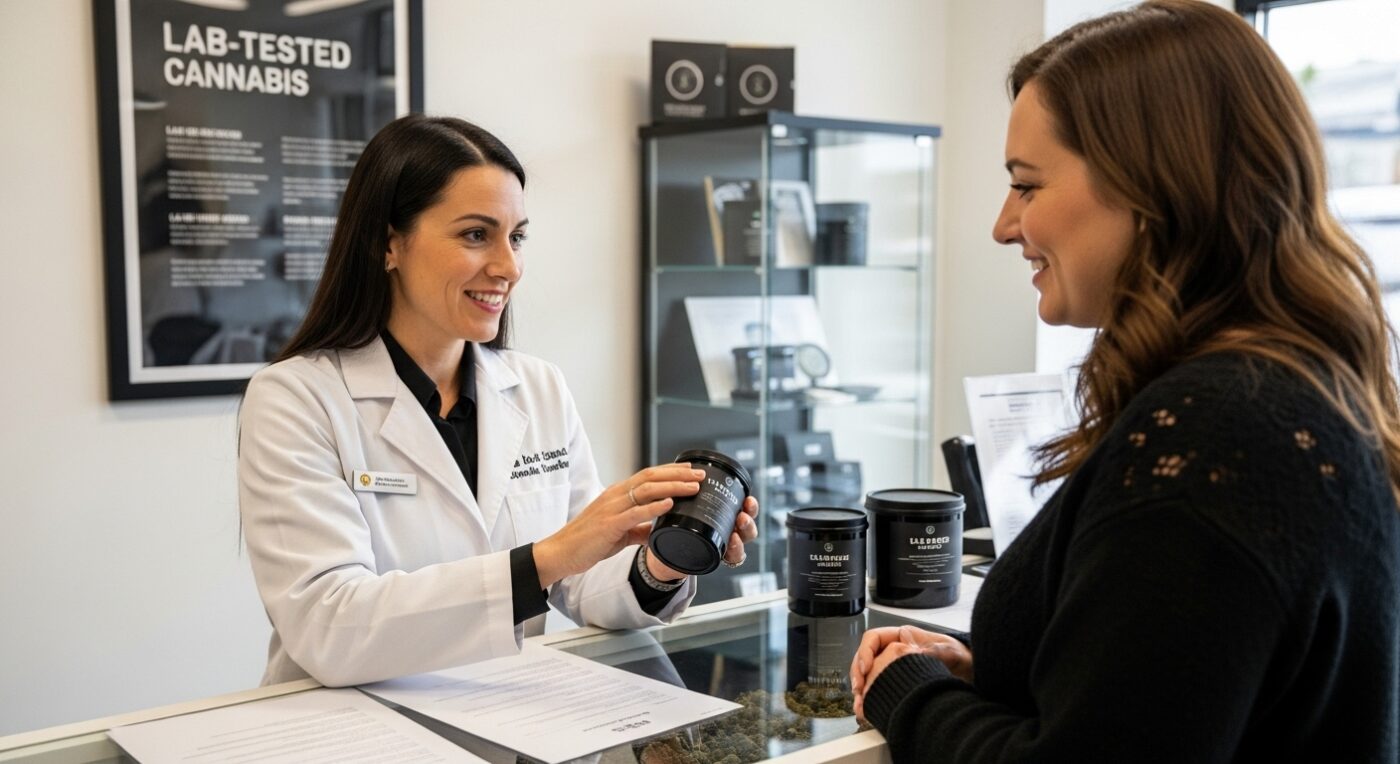
Lab-tested cannabis is changing how people buy and use marijuana. More than 70 percent of consumers now say safety and verified potency matter more than branding or price. That surprises a lot of longtime users who grew up trusting word-of-mouth and mystery bags. Turns out, the most important thing on your next cannabis purchase is not the strain or the high but the science on the label—and what those numbers really mean for you.
Table of Contents
- What Is Lab-Tested Cannabis And How Is It Validated?
- Why Lab Testing Is Crucial For Safety And Quality Assurance
- How Lab Testing Influences Potency And Cannabinoid Profiles
- What To Look For In Lab-Test Results: Key Concepts Explained
- The Impact Of Lab-Tested Cannabis On Consumer Choices
Quick Summary
| Takeaway | Explanation |
|---|---|
| Lab testing ensures product safety. | Rigorous testing detects harmful substances, verifying that cannabis products are safe for consumption. |
| Transparency builds consumer trust. | Lab-test results provide detailed information, allowing consumers to make informed choices about their cannabis products. |
| Precise potency measurement is vital. | Accurate lab testing measures THC and CBD levels, ensuring consistent effects for users. |
| Understanding lab reports is crucial for consumers. | Consumers should know how to interpret cannabinoid concentrations and contaminant screenings in lab reports. |
| Demand for lab-tested products is rising. | Increasing consumer awareness is pushing the cannabis market towards safer, scientifically validated products. |
What is Lab-Tested Cannabis and How is it Validated?
Lab-tested cannabis represents a critical advancement in consumer safety and product transparency within the cannabis industry. Unlike traditional unverified marijuana products, lab-tested cannabis undergoes rigorous scientific examination to confirm its quality, potency, and safety before reaching consumers.
Understanding Laboratory Testing Protocols
Laboratory testing involves comprehensive analytical processes that evaluate multiple aspects of cannabis products. Research from Frontiers in Psychiatry reveals that professional cannabis testing centers employ sophisticated techniques like High Performance Liquid Chromatography (HPLC) and Gas Chromatography-Mass Spectrometry (GC-MS) to assess product characteristics.
Key elements examined during lab testing include:
- Potency Verification: Precise measurement of THC and CBD concentrations
- Contaminant Screening: Detection of potential harmful substances
- Microbiological Analysis: Identification of potentially dangerous microbial organisms
- Pesticide Residue Detection: Ensuring no harmful chemical treatments remain
Importance of Comprehensive Cannabis Validation
Validation goes beyond simple chemical analysis. It represents a critical consumer protection mechanism that guarantees product safety, consistency, and reliability. By subjecting cannabis to stringent scientific scrutiny, laboratories provide consumers with transparent, trustworthy information about their purchases.
Through meticulous testing, cannabis products are evaluated across multiple critical dimensions, ensuring that what consumers receive matches labeled specifications and meets rigorous safety standards. This process protects consumers from potentially dangerous unregulated products and provides confidence in their purchasing decisions.
Why Lab Testing is Crucial for Safety and Quality Assurance
Lab testing represents a fundamental safeguard in the cannabis industry, protecting consumers from potential health risks and ensuring product reliability. By implementing comprehensive scientific analysis, cannabis providers can verify the safety, potency, and overall quality of their products before they reach consumers.
Identifying Potential Health Hazards
Research from the National Institutes of Health highlights the critical role of laboratory testing in detecting potential health risks associated with cannabis consumption. Unverified cannabis products can contain numerous harmful contaminants that pose significant health dangers.
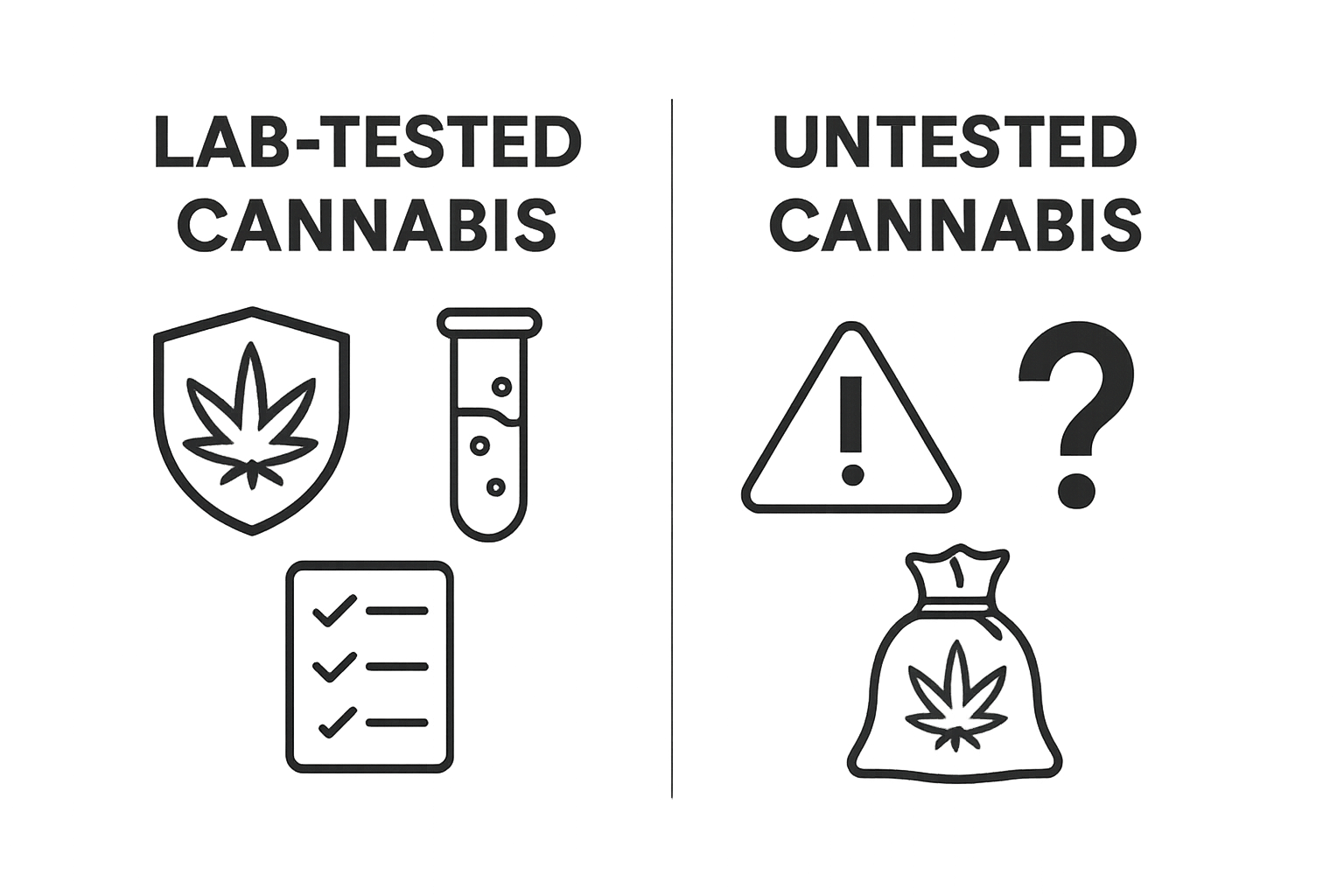
The table below summarizes the primary types of contaminants and risks that lab testing helps detect and prevent in cannabis products.
| Risk Type | Description |
|---|---|
| Microbial Contamination | Harmful bacteria, fungi, and mold |
| Chemical Residue | Pesticides and solvent remnants |
| Heavy Metal Presence | Toxic metal concentrations such as lead or mercury |
| Unexpected Potency | Variations that may cause unpredictable effects |
Potential risks mitigated through lab testing include:
- Microbial Contamination: Detection of harmful bacteria, fungi, and mold
- Chemical Residue: Identification of pesticide and solvent remnants
- Heavy Metal Presence: Screening for toxic metal concentrations
- Unexpected Potency Variations: Preventing unexpected psychoactive effects
Ensuring Consumer Confidence and Product Transparency
Comprehensive lab testing goes beyond simple risk mitigation. It establishes a framework of trust between cannabis producers and consumers. By providing detailed, scientifically validated information about product composition, potency, and safety, laboratories empower consumers to make informed purchasing decisions.
The validation process creates a transparent ecosystem where quality is objectively measured and confirmed. Consumers can feel confident knowing that rigorous scientific protocols have thoroughly examined their cannabis products, reducing uncertainty and potential health risks associated with unregulated marijuana consumption.
How Lab Testing Influences Potency and Cannabinoid Profiles
Lab testing serves as a sophisticated scientific approach to understanding and verifying the complex chemical composition of cannabis products. By employing advanced analytical techniques, laboratories can precisely map the intricate cannabinoid landscape within different cannabis strains and products.
Decoding Cannabinoid Composition
Research from the FDA emphasizes the critical role of analytical testing in determining accurate cannabinoid profiles. Laboratory scientists utilize specialized equipment to break down and quantify the specific concentrations of various cannabinoids, providing consumers with transparent and reliable information about product composition.
Key cannabinoids typically examined include:
- Tetrahydrocannabinol (THC): Primary psychoactive compound
- Cannabidiol (CBD): Non-psychoactive compound with potential therapeutic properties
- Cannabinol (CBN): Mildly psychoactive compound formed through THC degradation
- Cannabigerol (CBG): Non-psychoactive cannabinoid with potential medical applications
Precision in Potency Measurement
Laboratory testing transforms cannabis analysis from subjective estimation to precise scientific measurement. By implementing rigorous testing protocols, researchers can accurately determine the exact potency and chemical makeup of cannabis products. This level of detailed analysis ensures that consumers receive products with consistent and predictable effects, eliminating the uncertainty associated with unverified cannabis consumption.
The comprehensive examination of cannabinoid profiles allows for nuanced understanding of how different chemical compositions might impact user experience, medical applications, and overall product quality. Through meticulous scientific investigation, lab testing provides an unprecedented level of transparency and reliability in the cannabis marketplace.
What to Look for in Lab-Test Results: Key Concepts Explained
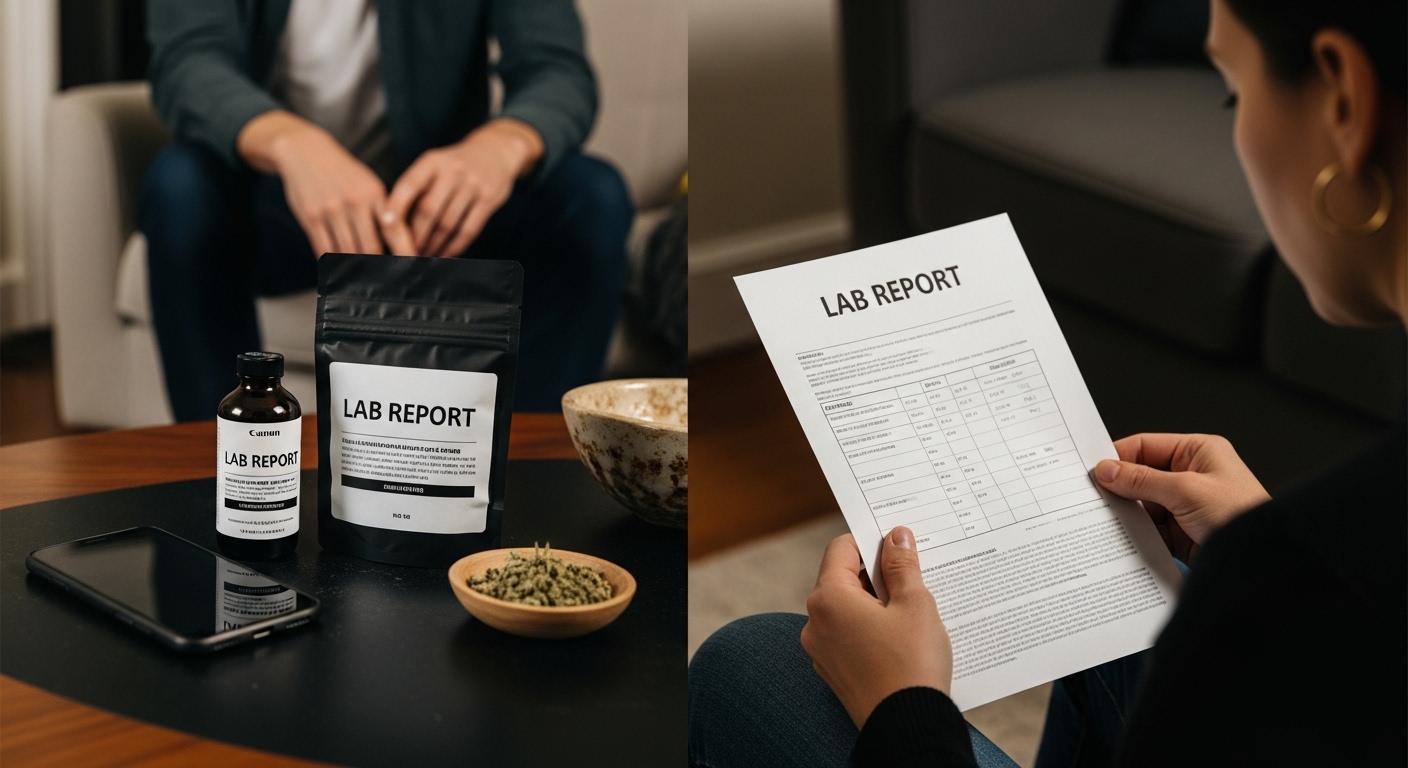
Understanding lab-test results is critical for cannabis consumers seeking transparency and quality assurance. These scientific documents provide a comprehensive breakdown of a product’s chemical composition, safety profile, and potential effects, empowering consumers to make informed purchasing decisions.
Understanding Core Components of Lab Reports
Research in Frontiers in Medicine highlights the essential elements that comprehensive cannabis lab reports should include. These documents serve as a scientific passport for cannabis products, revealing crucial information about their chemical makeup and potential risks.
The following table provides an overview of the main components commonly found in cannabis lab reports and their significance for consumers.
| Report Component | What It Reveals |
|---|---|
| Cannabinoid Concentration | Specifies THC, CBD, and other cannabinoid percentages |
| Terpene Profile | Identifies aromatic compounds that influence effects |
| Contaminant Screening | Details presence or absence of harmful substances |
| Batch Identification | Ensures product traceability and reporting |
Key elements consumers should examine in lab reports include:
- Cannabinoid Concentration: Precise percentages of THC, CBD, and other cannabinoids
- Terpene Profile: Identification and quantification of aromatic compounds
- Contaminant Screening: Comprehensive analysis of potential harmful substances
- Batch Identification: Unique tracking number for product traceability
Interpreting Potency and Safety Metrics
Lab-test results go beyond simple numbers. They represent a scientific assessment of product quality and potential consumer experience. By carefully reading these reports, consumers can understand not just the potency of their cannabis product, but also its potential therapeutic or recreational characteristics.
The nuanced information provided in lab reports allows consumers to match their specific needs with the right cannabis product. Whether seeking specific medical benefits, managing psychoactive effects, or simply ensuring product safety, these detailed scientific documents offer unprecedented insight into the complex world of cannabis composition.
The Impact of Lab-Tested Cannabis on Consumer Choices
Lab-tested cannabis has revolutionized consumer decision-making by introducing unprecedented transparency and scientific validation into product selection. As consumers become increasingly informed and health-conscious, the demand for rigorously tested cannabis products continues to reshape the marketplace.
Consumer Trust and Product Transparency
Research from the Journal of Cannabis Research demonstrates that lab testing significantly influences consumer purchasing behaviors. Modern cannabis consumers prioritize safety, quality, and detailed product information over traditional selection methods.
Key factors driving consumer preferences include:
- Scientifically Verified Safety: Elimination of potential health risks
- Precise Potency Information: Understanding exact cannabinoid concentrations
- Comprehensive Contaminant Screening: Assurance of product purity
- Traceable Product Origins: Increased confidence in manufacturing processes
Health and Safety Considerations
The rise of lab-tested cannabis represents a critical evolution in consumer protection. Check out our guide on safe cannabis consumption for more detailed insights into making informed choices. By demanding scientific validation, consumers are actively participating in a broader movement toward responsible cannabis consumption, prioritizing personal health and well-being over unverified product claims.
This shift towards evidence-based product selection empowers consumers to make more informed decisions, transforming cannabis from an unregulated market to a scientifically validated industry focused on transparency, safety, and individual health outcomes.
Discover Safer Cannabis with Canna Quick Shop
Are you feeling uncertain about the safety and true content of your cannabis? The article highlights how untested products can carry hidden risks like chemical residues or mislabeled potency, leaving you worried about what you are really consuming. At Canna Quick Shop, every item comes from sources committed to lab-tested quality and real transparency so you never guess about what is in your cannabis.
Why wait to take charge of your wellness? Choose Canna Quick Shop for premium, validated cannabis products you can trust. Visit our home page to explore our selection with detailed safety and potency data. If you want tips for buying only safe, tested cannabis, check our helpful educational guides or see real customer experiences. Shop now to experience a new level of confidence in every order.
Frequently Asked Questions
What is lab-tested cannabis?
Lab-tested cannabis refers to marijuana products that have undergone rigorous scientific examination to ensure their quality, potency, and safety. This testing verifies the cannabinoid concentrations, identifies contaminants, and ensures compliance with health standards.
Why is lab testing important for cannabis products?
Lab testing is crucial because it helps identify potential health risks, ensures product consistency, and provides transparency about the safety and chemical composition of cannabis products. This fosters consumer confidence in their purchases.
How do I interpret lab test results for cannabis?
To interpret lab test results, consumers should look for key components such as cannabinoid concentrations, terpene profiles, contaminant screenings, and batch identification. These elements provide insights into the product’s safety and potential effects.
What are the benefits of knowing the cannabinoid profile of a cannabis product?
Knowing the cannabinoid profile helps consumers understand the specific effects of a product, such as its psychoactive properties or therapeutic benefits. This information empowers users to make informed choices based on their individual needs and preferences.
Recommended
- fryd disposable flavors – Canna Quick Shop
- Fryd Disposable Gummy Punch – Canna Quick Shop
- Fryd Disposable Gummy Punch at discount – Canna Quick Shop
- Fryd Disposable Gummy Punch ready to shi[ – Canna Quick Shop
