

Uncategorized
Understanding Cannabis Consumption Safety and Its Importance
Aug
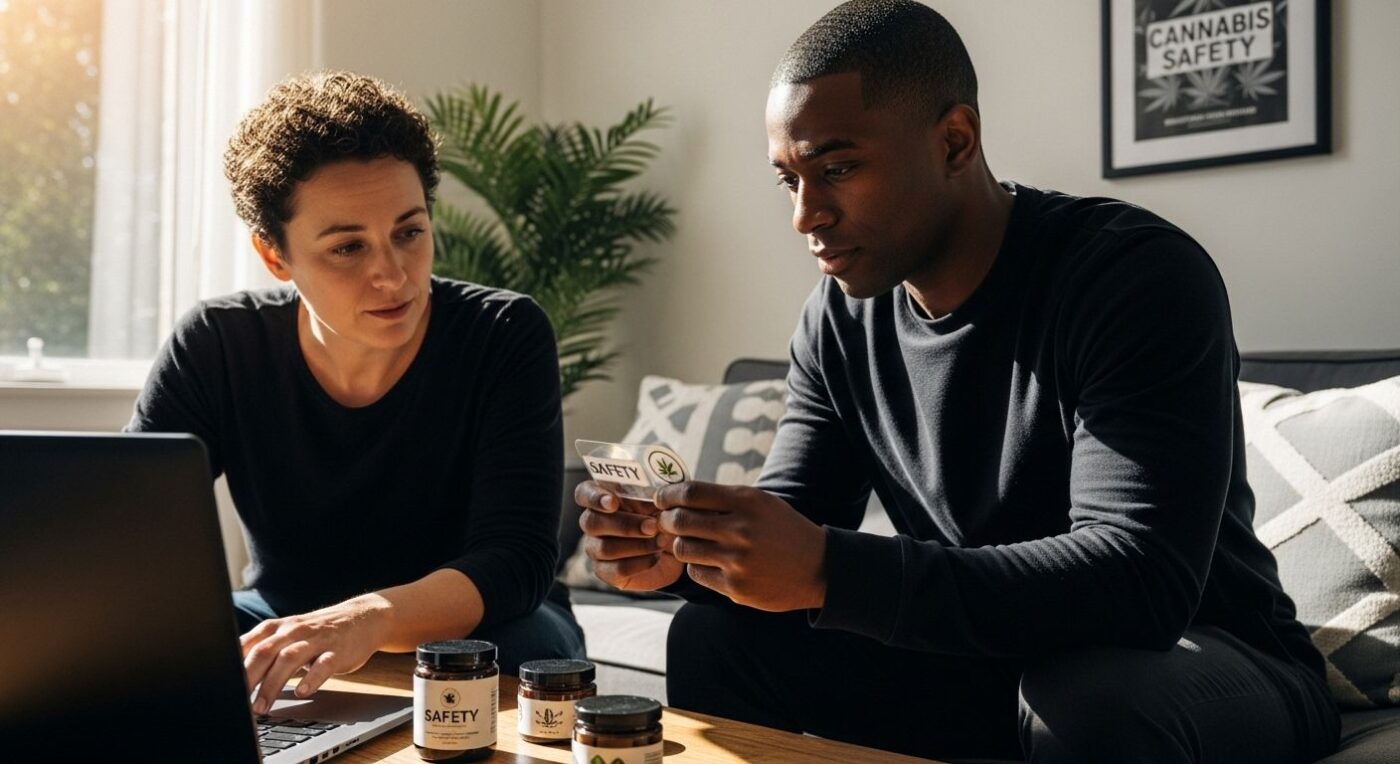
Cannabis safety is about much more than just knowing what strain you are buying. Did you know consuming edibles can produce effects that last up to 12 hours and feel much stronger than smoking? Most people worry about immediate risks, but the real surprise is how easily skipping a few safety steps can lead to legal issues and unexpected health problems. Responsible consumption means understanding so much more than just dosage or product type.
Table of Contents
- What Is Cannabis Consumption Safety?
- Why Cannabis Consumption Safety Matters
- How Cannabis Affects The Body And Mind
- Understanding Different Consumption Methods And Their Risks
- Key Principles For Safe Cannabis Use
Quick Summary
| Takeaway | Explanation |
|---|---|
| Understand product potency prior to use | Knowing THC and CBD content helps customize your cannabis experience effectively. |
| Assess personal health and tolerance levels | Consider your medical history and reactions to avoid negative experiences. |
| Choose suitable consumption methods | Different methods impact the body uniquely; select based on health goals. |
| Stay informed about legal regulations | Awareness of local laws protects you from legal issues surrounding cannabis use. |
| Practice incremental dosing | Start with low doses and adjust gradually to understand personal effects safely. |
What is Cannabis Consumption Safety?
Cannabis consumption safety represents a comprehensive approach to responsible marijuana use that prioritizes individual health, legal compliance, and personal well-being. At its core, cannabis consumption safety involves understanding how to consume cannabis products in a manner that minimizes potential risks while maximizing potential benefits.
Understanding the Fundamentals
Safety in cannabis consumption goes beyond simply avoiding harmful experiences. It encompasses multiple critical aspects of responsible use, including understanding product potency, personal tolerance levels, consumption methods, and potential interactions with existing health conditions. Our comprehensive guide on cannabis usage can help you navigate these essential considerations.
According to the Centers for Disease Control and Prevention, cannabis can produce varying physiological responses, making informed consumption crucial. Key safety considerations include:
- Knowing the THC and CBD content of your chosen product
- Understanding your personal tolerance and reaction to cannabis
- Selecting appropriate consumption methods based on individual health status
- Avoiding operating machinery or driving while under the influence
Potential Health and Legal Considerations
Cannabis consumption safety also involves recognizing potential health implications and legal boundaries. Users must be aware of how cannabis might interact with existing medications, potential side effects, and the legal status of cannabis in their jurisdiction. Responsible consumption means being fully informed about both personal health risks and legal restrictions.
By prioritizing cannabis consumption safety, individuals can enjoy the potential benefits of cannabis while minimizing potential negative outcomes.
This table summarizes the key health and legal considerations for safe cannabis use, as emphasized throughout the article.
| Consideration Type | Details and Examples |
|---|---|
| Personal Health | Medical history, pre-existing conditions, medication interactions |
| Mental Health | Existing mental health diagnoses, potential for increased anxiety |
| Dosage and Tolerance | Understanding potency, starting low, adjusting gradually |
| Consumption Method | Choosing methods suited to health status and desired effects |
| Legal Status | Awareness of local laws, THC limits, workplace and societal regulations |
| Operating Machinery/Driving | Never operate vehicles or machinery while under the influence |
Why Cannabis Consumption Safety Matters
Cannabis consumption safety is not merely a recommendation but a critical necessity for responsible users. Understanding the importance of safe consumption practices protects individuals from potential health risks, legal complications, and unintended negative experiences.
Health and Personal Well-being
The potential impact of cannabis on personal health cannot be understated. Learn about cannabis consumption methods that can help minimize risks. According to research from the National Library of Medicine, unsafe cannabis consumption can lead to significant health complications, including:
- Potential cognitive impairment
- Increased risk of mental health challenges
- Potential respiratory issues with certain consumption methods
- Interactions with existing medical conditions or medications
Legal and Social Implications
Cannabis safety extends beyond individual health concerns. Legal risks, workplace restrictions, and social responsibilities are crucial considerations. Users must understand local regulations, potential employment consequences, and the importance of responsible use. This includes being aware of legal THC limits, understanding impairment guidelines, and recognizing scenarios where cannabis consumption might compromise personal or professional obligations.
Long-term Personal Accountability
Safe cannabis consumption represents a commitment to personal and community well-being. By prioritizing safety, users demonstrate respect for their own health, legal boundaries, and the broader societal context of cannabis use. This approach involves continuous education, self-awareness, and a proactive stance toward understanding the complex dynamics of cannabis consumption.
Ultimately, cannabis consumption safety is about making informed, responsible choices that protect personal health, legal standing, and overall quality of life.
How Cannabis Affects the Body and Mind
Cannabis interacts with the human body through a complex network of physiological and neurological processes, producing diverse effects that can vary significantly between individuals. Understanding these interactions is crucial for responsible and safe consumption.
Neurological Impact
The primary mechanism of cannabis’s effect involves its interaction with the endocannabinoid system, a critical regulatory network in the human body. Explore cannabis consumption methods that can influence these interactions. According to the Centers for Disease Control and Prevention, cannabis directly impacts brain functioning by targeting specific neural regions responsible for:
- Memory processing
- Emotional regulation
- Attention and concentration
- Decision-making capabilities
- Motor skill coordination
Physical Physiological Responses
Cannabis produces immediate and potentially long-term physiological changes. When consumed, cannabinoids like THC and CBD interact with receptors throughout the body, triggering various responses. These interactions can cause increased heart rate, altered blood pressure, changes in respiratory function, and modifications to immune system responses. Short-term physical effects often include relaxation, altered sensory perception, and potential pain reduction.
Psychological and Cognitive Implications
Beyond immediate physical responses, cannabis significantly influences psychological states. Depending on individual biochemistry, consumption method, and dosage, users might experience range of mental experiences from euphoria and relaxation to potential anxiety or temporary cognitive impairment. The psychological impact can be particularly pronounced for individuals with pre-existing mental health conditions, making personalized understanding and cautious consumption essential.
Comprehensive awareness of how cannabis affects the body and mind empowers users to make informed, responsible choices about their consumption, prioritizing personal health and well-being.
Understanding Different Consumption Methods and Their Risks
Cannabis consumption methods vary widely, each presenting unique physiological interactions, absorption rates, and potential health considerations. Understanding these differences is crucial for making informed and responsible choices about cannabis use.
Inhalation Methods
Smoking and vaping represent the most common inhalation techniques, with distinct characteristics and risks. Learn about cannabis consumption varieties to understand their nuanced impacts. According to research from the American Journal of Public Health, these methods can produce immediate effects but also carry potential respiratory complications:
- Smoking cannabis involves direct combustion, which can generate harmful respiratory byproducts
- Vaporizing reduces some combustion-related risks but may still expose users to temperature-related chemical changes
- Dabbing concentrates can deliver significantly higher THC concentrations, increasing potential intoxication risks
Oral Consumption Techniques
Edibles and tinctures offer alternative consumption methods with distinctly different physiological interactions. Oral consumption produces slower onset but potentially longer-lasting effects. The metabolic processing of cannabis through the digestive system creates unique absorption dynamics, resulting in more prolonged and sometimes more intense experiences compared to inhalation methods.
Topical and Alternative Applications
Topical cannabis products provide localized effects without psychoactive experiences, representing a unique consumption approach for users seeking specific therapeutic benefits. These methods target specific body regions, offering potential pain relief or inflammatory management without systemic psychological impacts.
Comprehensive understanding of consumption methods empowers users to make safer, more intentional choices aligned with their individual health goals and personal preferences.
The table below compares the main cannabis consumption methods discussed in the article and highlights their effects, onset speed, duration, and key safety considerations.
| Consumption Method | Typical Effects | Onset Speed | Duration of Effects | Main Safety Considerations |
|---|---|---|---|---|
| Smoking | Immediate psychoactive effects | Fast (minutes) | Short (1-3 hours) | Respiratory risks due to combustion |
| Vaping | Fast-acting; less harmful byproducts | Fast (minutes) | Short (1-3 hours) | Chemical exposure depending on device and product |
| Dabbing | Powerful, concentrated effects | Very fast (seconds) | Short (1-2 hours) | High potency; increased risk of overconsumption |
| Edibles | Stronger, body-centered experience | Slow (30-90 min) | Long (4-12 hours) | Delayed onset; easy to overconsume |
| Tinctures | Gentle, gradual effects; sublingual or oral | Moderate (15-45 min) | Moderate (3-6 hours) | Dose control can still be tricky |
| Topicals | Localized relief, no psychoactive effects | Varies (minutes) | Depends on product | No intoxication; minimal systemic effects |
Key Principles for Safe Cannabis Use
Safe cannabis consumption requires a comprehensive and thoughtful approach that prioritizes individual health, legal compliance, and responsible decision-making. Understanding and implementing key safety principles can significantly mitigate potential risks associated with cannabis use.
Personal Health Assessment
Individual health status plays a critical role in safe cannabis consumption. Explore our comprehensive guide to safe cannabis delivery for additional insights. According to the Rhode Island Department of Health, users should carefully consider several crucial health factors:
- Personal medical history and potential pre-existing conditions
- Current medications and potential interactions
- Age and developmental stage
- Mental health background
- Potential genetic predispositions to adverse reactions
Dosage and Consumption Strategy
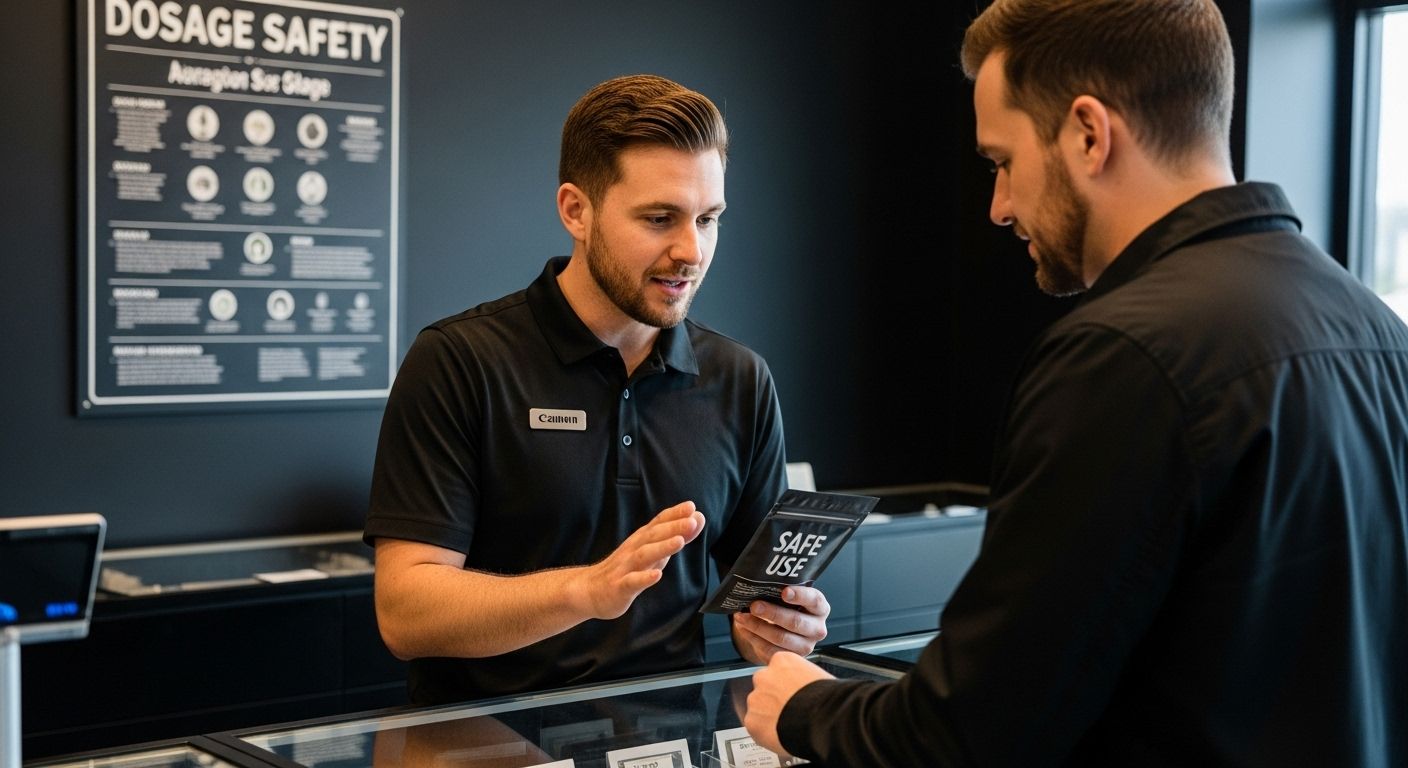
Responsible cannabis use fundamentally depends on understanding and managing dosage. This involves starting with low THC concentrations, understanding individual tolerance levels, and progressively adjusting consumption. Users should prioritize purchasing from licensed dispensaries, carefully reading product labels, and being aware of potency levels. Incremental consumption allows users to understand their personal physiological responses and minimize potential negative experiences.
Environmental and Legal Considerations
Safe cannabis use extends beyond personal health to encompass broader environmental and legal responsibilities. This includes avoiding consumption in public spaces, never operating machinery or vehicles while under the influence, and respecting legal restrictions. Responsible users maintain awareness of local regulations, workplace policies, and potential social implications of cannabis consumption.
By embracing these key principles, individuals can approach cannabis use with mindfulness, reducing risks and promoting a safer, more informed consumption experience.
Shop Safely and Confidently with Canna Quick Shop
Taking control of your cannabis experience means prioritizing both safety and high quality. If you have ever felt uncertain about product potency, dosage, or trusted sources for cannabis, you are not alone. The article emphasizes the importance of responsible use, understanding your tolerance, and choosing products that meet strict safety standards. This is where Canna Quick Shop steps in to support your journey toward secure and knowledgeable consumption.
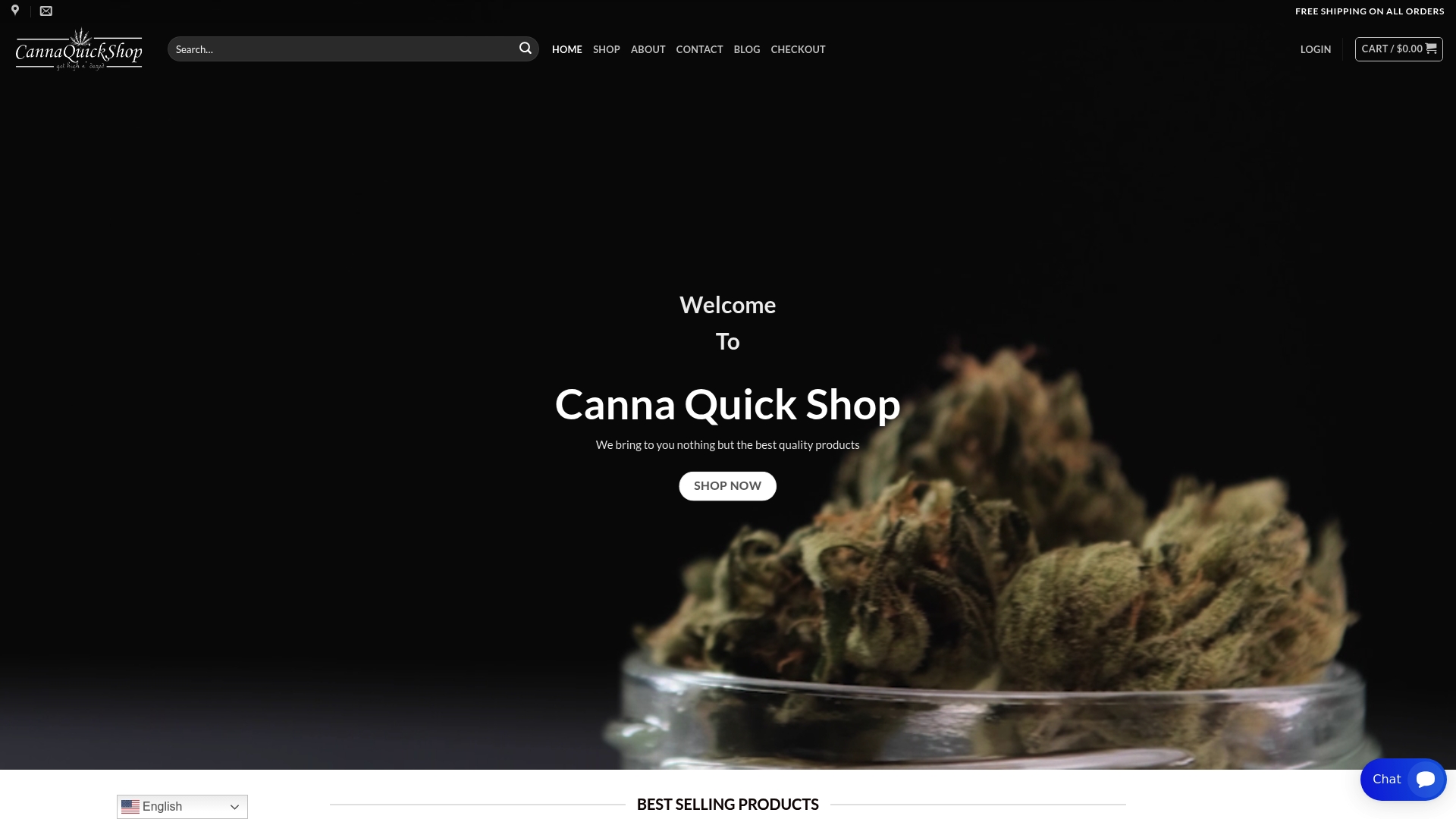
Discover our carefully curated selection on the Uncategorized – Canna Quick Shop page, where you can browse products tested for safety and quality assurance. Every listing includes detailed information, so you can choose with confidence. Visit Canna Quick Shop now and take responsibility for your well-being while enjoying convenient, fast delivery. Make the smarter choice today for both your health and peace of mind.
Frequently Asked Questions
What is cannabis consumption safety?
Cannabis consumption safety refers to a responsible approach to using cannabis that prioritizes health, legal compliance, and personal well-being, ensuring users minimize risks while enjoying potential benefits.
Why is it important to understand dosage when using cannabis?
Understanding dosage is critical to cannabis consumption safety because it helps users manage their intake, prevents adverse reactions, and allows individuals to find their optimal dose based on personal tolerance levels.
How does cannabis affect mental health?
Cannabis can influence mental health in various ways, potentially providing relaxation or euphoria, but it may also lead to anxiety or cognitive impairment, especially in individuals with pre-existing mental health conditions.
What are the different methods of consuming cannabis?
Cannabis can be consumed through various methods, including inhalation (smoking or vaping), oral consumption (edibles and tinctures), and topical applications, each presenting unique absorption rates and potential effects.
Recommended
- 7 Types of Cannabis Edibles You Should Know About
- Why Use Cannabis Edibles
- Understanding Cannabis Quality Assurance Explained
- Understanding Why Cannabis Delivery Matters for Users
