

Uncategorized
Understanding Cannabis Edibles vs Smoking: Key Differences
Sep
Cannabis edibles and smoking might seem like just two ways to get the same effect, but the reality could not be more different. Think about this. Edible highs can last up to eight hours, while smoked cannabis fades in just two or three. That sounds like a simple tradeoff, but the differences go way beyond how long you feel the results. The science behind how each method works in your body can change the whole experience and even carry unexpected risks if you do not know what to look for.
Table of Contents
- What Are Cannabis Edibles And Smoking?
- The Science Behind How Cannabis Affects The Body
- Key Differences In Effects: Edibles Vs Smoking
- Advantages And Disadvantages Of Edibles And Smoking
- Choosing The Right Method For Your Needs
Quick Summary
| Takeaway | Explanation |
|---|---|
| Smoking delivers immediate effects. | Smoking cannabis allows THC to enter the bloodstream quickly, producing effects within minutes, typically lasting 1-4 hours. |
| Edibles provide prolonged experiences. | Edibles take longer to metabolize, with effects emerging 30-90 minutes after consumption and lasting 6-8 hours. |
| Consider personal health factors. | Evaluate respiratory conditions, cardiovascular health, and metabolic efficiency when choosing a consumption method. |
| Dosage control is crucial with edibles. | The delayed onset of edibles can lead to overconsumption; careful dosage is necessary for safe use. |
| Select methods based on lifestyle needs. | Assess your need for discretion, timing, and preferred effects to choose the most suitable consumption method. |
What are Cannabis Edibles and Smoking?
Cannabis consumption methods vary significantly, with smoking and edibles representing two primary approaches that offer distinct experiences and effects. Understanding the fundamental differences between these consumption methods is crucial for informed and safe usage.
Cannabis Smoking: Rapid Delivery Method
Smoking involves directly inhaling heated marijuana flower or concentrates through devices like pipes, joints, or bongs. According to research from the National Center for Biotechnology Information, this method allows THC to enter the bloodstream through lung tissue, producing near-instantaneous psychoactive effects within minutes. Key characteristics of smoking include:
- Immediate onset of effects
- Short duration of experience (1-4 hours)
- Direct absorption through lung membranes
- Rapid cannabinoid transmission
Cannabis Edibles: Slow and Sustained Experience
Edibles represent an alternative consumption method involving THC-infused food products like gummies, chocolates, baked goods, and beverages. Binghamton University’s B-Healthy program explains that edibles undergo metabolization through the digestive system, resulting in a significantly different consumption experience. The process involves THC being processed by the liver, which converts it into a more potent compound called 11-hydroxy-THC.
Key differences in edible consumption include:
- Delayed effect onset (30-60 minutes)
- Longer-lasting experience (6-8 hours)
- More intense metabolic processing
- Potentially stronger psychoactive effects
For those interested in exploring different types of edible products, read our comprehensive guide on edible varieties.
Understanding these consumption methods helps users make informed decisions about their preferred Cannabis experience, considering factors like onset time, duration, and personal tolerance levels.
Here is a side-by-side comparison outlining the major differences between cannabis edibles and smoking to help clarify how each method affects your experience.
| Feature | Smoking Cannabis | Cannabis Edibles |
|---|---|---|
| Onset of Effects | Within minutes | 30-90 minutes |
| Duration of Effects | 1-4 hours | 6-8 hours |
| Absorption Pathway | Through lungs into bloodstream | Digestive system, then liver |
| Main Psychoactive Compound | Delta-9-THC | 11-hydroxy-THC (stronger metabolite) |
| Intensity | Rapid, controllable | Can be more intense and unpredictable |
| Dosage Control | Easier due to immediate feedback | Challenging due to delayed onset |
| Health Risks | Respiratory issues from inhalation | Risk of overconsumption, no lung harm |
The Science Behind How Cannabis Affects the Body
Cannabis interacts with the human body through a complex neurological system known as the endocannabinoid system (ECS), which plays a critical role in regulating numerous physiological processes. Understanding this intricate interaction helps explain the diverse effects experienced by users across different consumption methods.
The Endocannabinoid System: Cannabis Interaction Pathway
The human body contains specialized cannabinoid receptors primarily located in the brain, nervous system, and peripheral tissues. According to research published in Current Opinion in Psychology, these receptors specifically interact with cannabinoids like THC and CBD, triggering various neurological and physiological responses. Key interaction points include:
- CB1 receptors in the brain and central nervous system
- CB2 receptors in immune and peripheral tissues
- Neurotransmitter regulation and signal modulation
- Potential impact on mood, pain perception, and immune response
Neurochemical Impact and Psychoactive Effects
THC, the primary psychoactive compound in Cannabis, mimics the body’s natural endocannabinoids by binding directly to CB1 receptors. This interaction disrupts normal neurotransmitter signaling, leading to characteristic effects such as altered perception, mood changes, and potential cognitive modifications. The specific neurochemical response varies based on consumption method, individual physiology, and cannabinoid concentration.
Learn more about safe Cannabis consumption practices to minimize potential adverse neurological interactions.
Understanding these complex biological mechanisms provides crucial insights into how Cannabis influences human physiology, emphasizing the importance of responsible and informed consumption.
Key Differences in Effects: Edibles vs Smoking
Cannabis consumption methods dramatically influence the user experience, with smoking and edibles presenting distinct physiological and psychological effects. These differences stem from unique absorption mechanisms, metabolic processing, and interaction with the body’s endocannabinoid system.
Onset and Duration of Effects
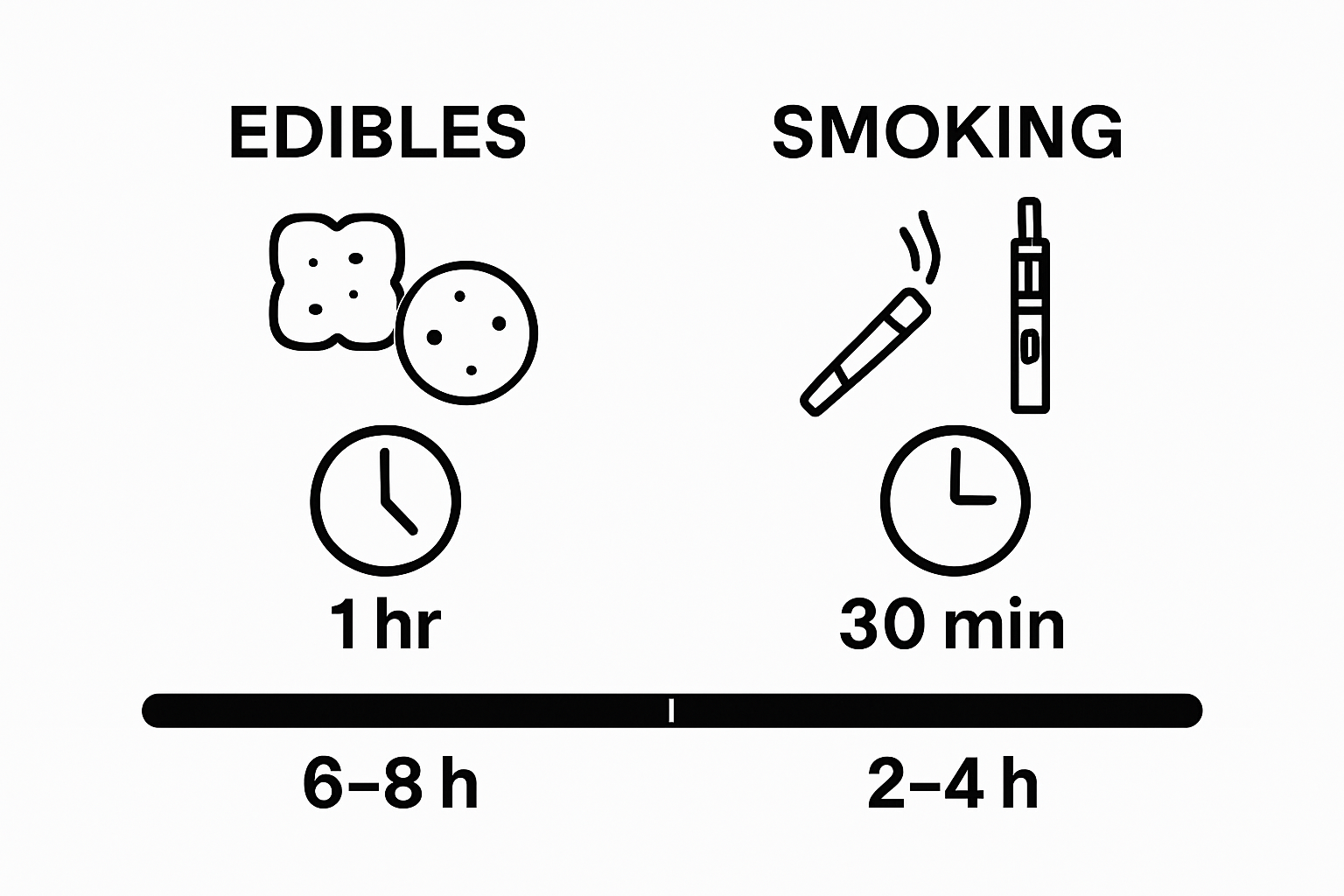
The primary distinction between smoking and edible consumption lies in how quickly cannabinoids enter the bloodstream. According to research in Current Opinion in Psychology, smoking provides an immediate psychoactive response, with effects typically peaking within 10-30 minutes and subsiding after 2-3 hours. In contrast, edibles undergo a complex metabolic process that results in:
- Delayed onset of effects (30-90 minutes)
- Prolonged experience lasting 6-8 hours
- More intense and potentially overwhelming sensations
- Slower but more sustained cannabinoid release
Intensity and Metabolic Transformation
When inhaled, THC directly enters the bloodstream through lung tissue, providing quick but shorter-lasting effects. Edibles, however, undergo liver metabolism, converting THC into 11-hydroxy-THC a more potent compound that crosses the blood brain barrier more effectively. This metabolic transformation explains why edible experiences often feel more powerful and longer-lasting.
Discover the benefits of different Cannabis consumption methods to make informed decisions about your preferred experience.
Understanding these nuanced differences helps users approach Cannabis consumption more safely and strategically, accounting for individual tolerance and desired effects.
Advantages and Disadvantages of Edibles and Smoking
Each Cannabis consumption method presents unique benefits and potential drawbacks, making it essential for users to understand the nuanced differences between smoking and consuming edibles. These variations impact user experience, health considerations, and overall Cannabis interaction.
Health and Physiological Implications
According to the Centers for Disease Control and Prevention, smoking Cannabis introduces significant respiratory risks not present in edible consumption. Smoking directly impacts lung tissue, potentially causing long-term damage to pulmonary systems. Key health considerations include:
- Potential scarring of lung tissues
- Direct exposure to combustion byproducts
- Increased risk of respiratory complications
- Immediate cannabinoid absorption
Dosage Control and Consumption Experience
Edibles present a complex dosage landscape that requires careful navigation. The CDC warns that delayed onset can lead users to consume excessive amounts, potentially resulting in unexpected and intense experiences. Smoking, in contrast, offers more immediate feedback about consumption levels.
- Precise dosing challenges with edibles
- Delayed and potentially overwhelming effects
- More consistent and controllable intake through smoking
- Longer duration of edible experiences
Explore safe Cannabis consumption strategies to minimize potential risks and optimize your experience.
Understanding these nuanced differences empowers users to make informed decisions about their Cannabis consumption method, prioritizing personal health, comfort, and desired outcomes.
Choosing the Right Method for Your Needs
Selecting between Cannabis edibles and smoking requires careful consideration of personal health, desired effects, lifestyle, and individual physiological responses. Understanding your specific needs and potential limitations helps make an informed consumption decision that maximizes benefits while minimizing risks.
Personal Health and Physical Considerations
According to research published in Current Opinion in Psychology, individual health status plays a critical role in determining the most appropriate Cannabis consumption method. Key health factors to evaluate include:
- Existing respiratory conditions
- Cardiovascular health
- Metabolic processing efficiency
- Personal tolerance and sensitivity levels
- History of anxiety or psychiatric conditions
Lifestyle and Consumption Preferences
Your daily routine, professional requirements, and personal comfort significantly influence the most suitable Cannabis consumption method. Some individuals prioritize discretion and controlled dosing, while others prefer immediate effects or specific duration of experience. Considerations include:
- Workplace drug testing policies
- Time availability for extended experiences
- Desire for immediate versus prolonged effects
- Social and personal comfort with different consumption methods
- Need for precise dosage control
Learn more about personalizing your Cannabis experience to align consumption with your unique needs and preferences.
Ultimately, the most effective Cannabis method varies for each individual, requiring thoughtful evaluation of personal health, lifestyle, and desired outcomes.
This table summarizes the key personal health and lifestyle considerations you should take into account when choosing between cannabis edibles and smoking.
| Consideration | Impact When Smoking | Impact When Using Edibles |
|---|---|---|
| Respiratory Health | Potential risk due to inhalation | No direct impact |
| Cardiovascular Concerns | Rapid THC spike can affect heart | Slower absorption, longer effect |
| Metabolic Efficiency | Not a major factor | Slower onset, possible unpredictability |
| Dosage Control | Easier to titrate | Risk of overconsumption |
| Discretion | Odor and visible method | More discreet, no strong odor |
| Time Commitment | Shorter overall effect | Longer, requires planning |
Discover Your Ideal Cannabis Experience
Are you feeling overwhelmed by the differences between edibles and smoking? Many readers face challenges with choosing the right method, especially when it comes to understanding dosage, onset time, and intensity. You deserve a safe and satisfying cannabis journey that fits your health needs and lifestyle goals. At Canna Quick Shop, we offer a curated selection of high-quality cannabis products, including premium edibles and smokable options, guided by expert advice to help you make informed decisions. Explore product varieties, quickly compare effects, and access educational resources all in one trusted platform.
Take the guesswork out of your next purchase. Head over to our Uncategorized – Canna Quick Shop page to browse a spectrum of options tailored to every preference or shop directly at our main site for convenience, security, and rapid delivery. Find clarity and confidence in your cannabis choices today.
Frequently Asked Questions
What are the main differences between cannabis edibles and smoking?
The primary differences include onset time, duration of effects, and absorption methods. Smoking provides immediate effects lasting 1-4 hours, while edibles have a delayed onset, taking 30-90 minutes to kick in, and can last 6-8 hours.
How does smoking cannabis affect the body compared to eating edibles?
Smoking allows THC to enter the bloodstream quickly through lung tissue, leading to rapid effects. Edibles, on the other hand, are metabolized by the liver into 11-hydroxy-THC, producing stronger and longer-lasting effects.
What are the health implications of smoking cannabis versus consuming edibles?
Smoking can cause respiratory issues due to direct lung exposure to combustion byproducts, while edibles avoid these risks but require careful dosage management due to their delayed effects, which can lead to overconsumption.
How can I control my dosage when consuming cannabis edibles?
Dosage control with edibles can be challenging due to their delayed effects. Start with a low dose (usually 5-10 mg of THC) and wait at least 1-2 hours before consuming more to assess the impact and avoid overwhelming sensations.
Recommended
- Why Use Cannabis Edibles
- Understanding Cannabis Consumption Safety and Its Importance
- 7 Types of Cannabis Edibles You Should Know About
- Our 10 Favorite Cannabis Edibles Recipes You Can Make at Home
